

Volume 1Issue 9
Legal Protection and Contemporary Change: Childhood, Work, Sport and Electronic Evidence
13 research articles
Volume 1Issue 9
13 research articles
Volume 1Issue 8
12 research articles
Volume 1Issue 7
15 research articles
Volume 1Issue 6
11 research articles
Volume 1Issue 5
11 research articles
Volume 1Issue 4
11 research articles
Volume 1Issue 3
14 research articles
Volume 1Issue 2
21 research articles
Volume 1Issue 1
16 research articles
Ruaa Fikriya is a scholarly publishing space for law, economics, social sciences and humanities—connecting local questions with wider academic debate through clear methods and faithful sources.
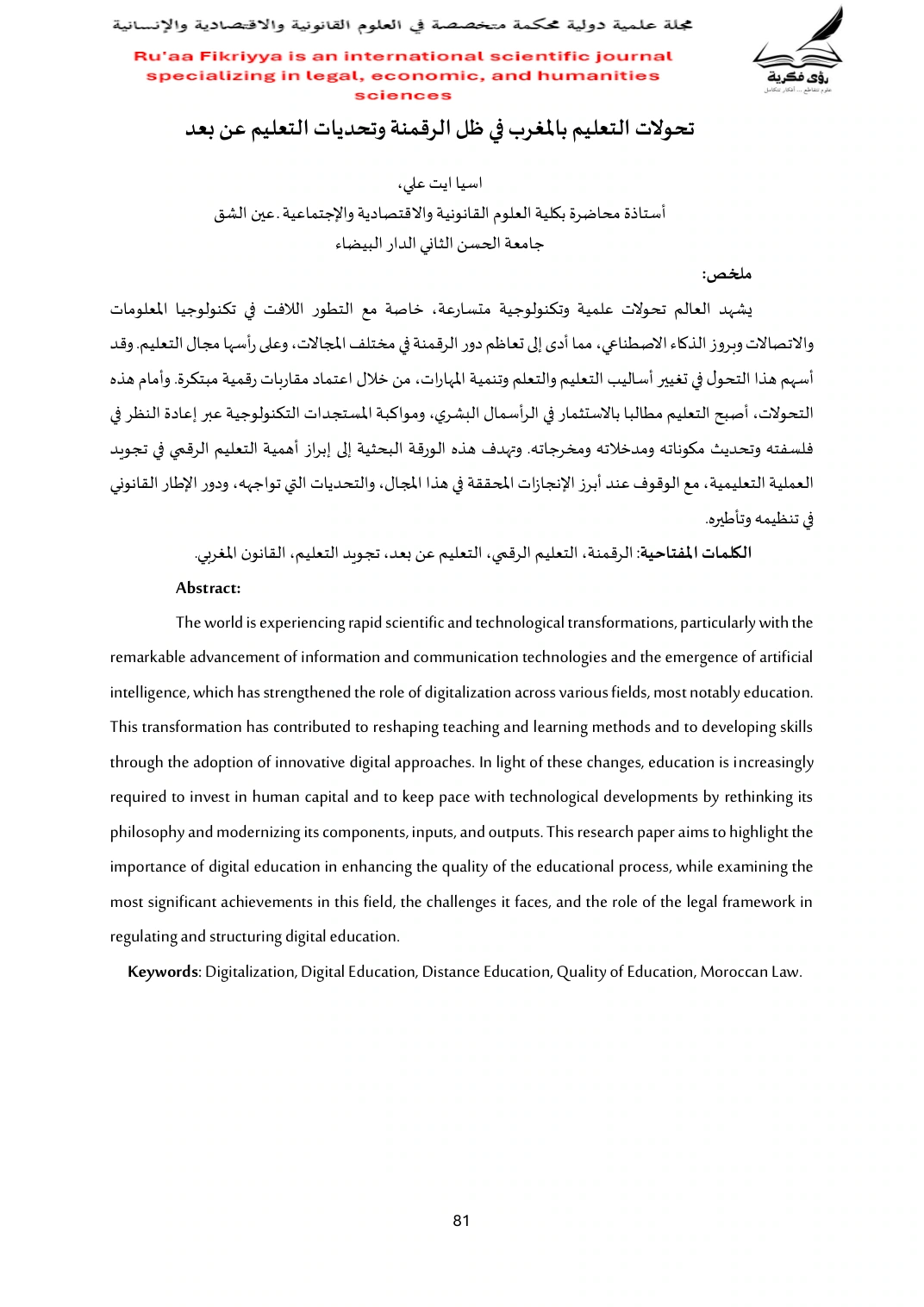
The world is experiencing rapid scientific and technological transformations, particularly with the remarkable advancement of information and communication technologies and the emergence of artificial intelligence, which has strengthened the role of digitalization across various fields, most notably education. This transformation has contributed to reshaping teaching and learning methods and to developing skills through the adoption of innovative digital approaches. In light of these changes, education is increasingly required to invest in human capital and to keep pace with technological developments by rethinking its philosophy and modernizing its components, inputs, and outputs. This research paper aims to highlight the importance of digital education in enhancing the quality of the educational process, while examining the most significant achievements in this field, the challenges it faces, and the role of the legal framework in regulating and structuring digital education.
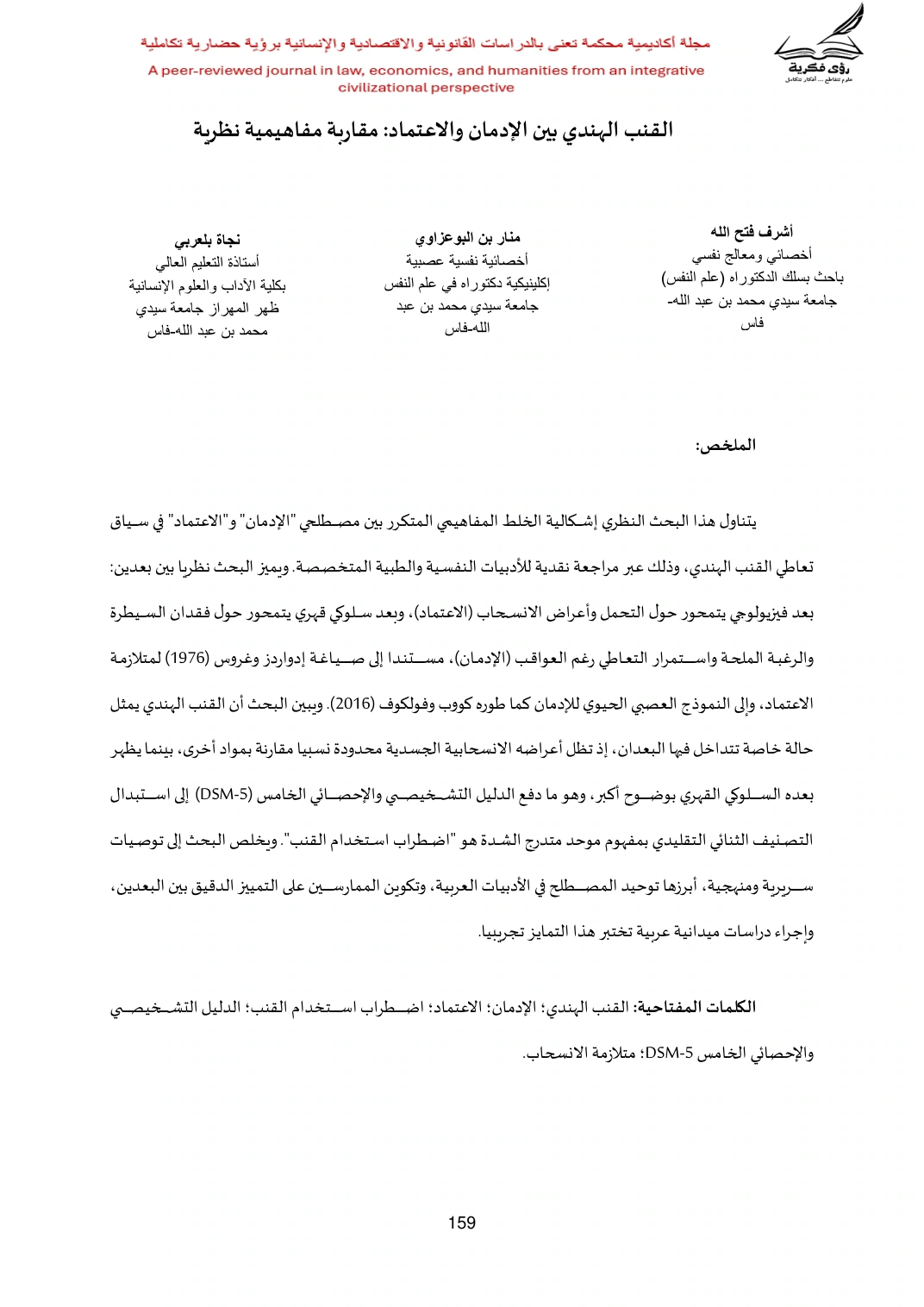
This theoretical study addresses the recurring conceptual confusion between "addiction" and "dependence" in the context of cannabis use, through a critical review of the specialized psychological and medical literature. It distinguishes theoretically between a physiological dimension centered on tolerance and withdrawal (dependence) and a compulsive behavioral dimension centered on loss of control, craving, and continued use despite adverse consequences (addiction), drawing on Edwards and Gross's (1976) formulation of the dependence syndrome and on the neurobiological model of addiction developed by Koob and Volkow (2016). The study shows that cannabis represents a distinctive case in which both dimensions overlap: its classic physical withdrawal symptoms remain comparatively limited relative to other substances, while its compulsive behavioral dimension is more clearly pronounced—prompting the DSM-5 to replace the traditional dichotomous classification with the unified, severity-graded concept of "Cannabis Use Disorder." The study concludes with clinical and methodological recommendations, most notably standardizing terminology in Arabic-language literature, training practitioners to distinguish precisely between the two dimensions, and conducting empirical Arabic field studies to test this conceptual distinction.
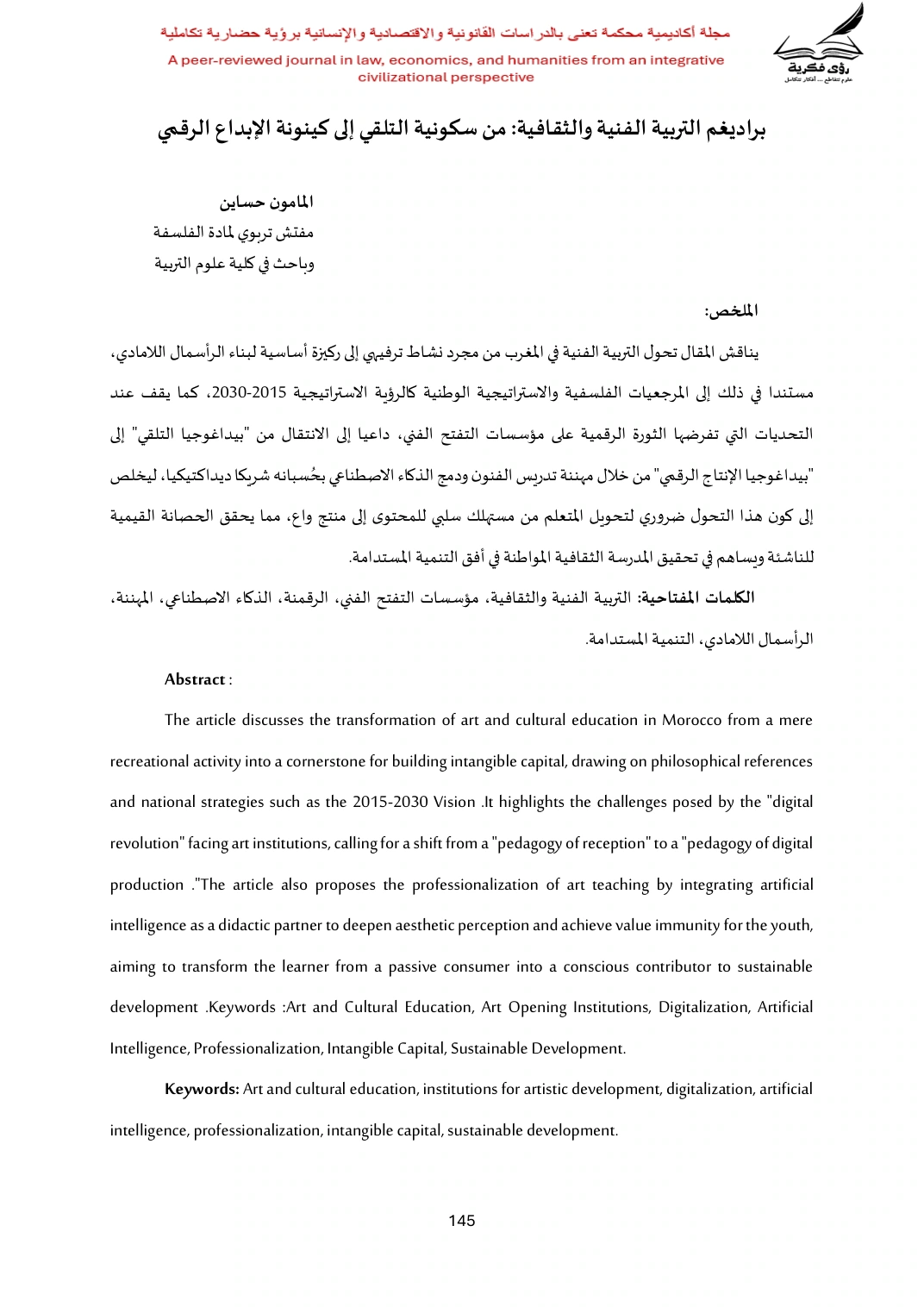
The article discusses the transformation of art and cultural education in Morocco from a mere recreational activity into a cornerstone for building intangible capital, drawing on philosophical references and national strategies such as the 2015-2030 Vision.It highlights the challenges posed by the "digital revolution" facing art institutions, calling for a shift from a "pedagogy of reception" to a "pedagogy of digital production."The article also proposes the professionalization of art teaching by integrating artificial intelligence as a didactic partner to deepen aesthetic perception and achieve value immunity for the youth, aiming to transform the learner from a passive consumer into a conscious contributor to sustainable development.
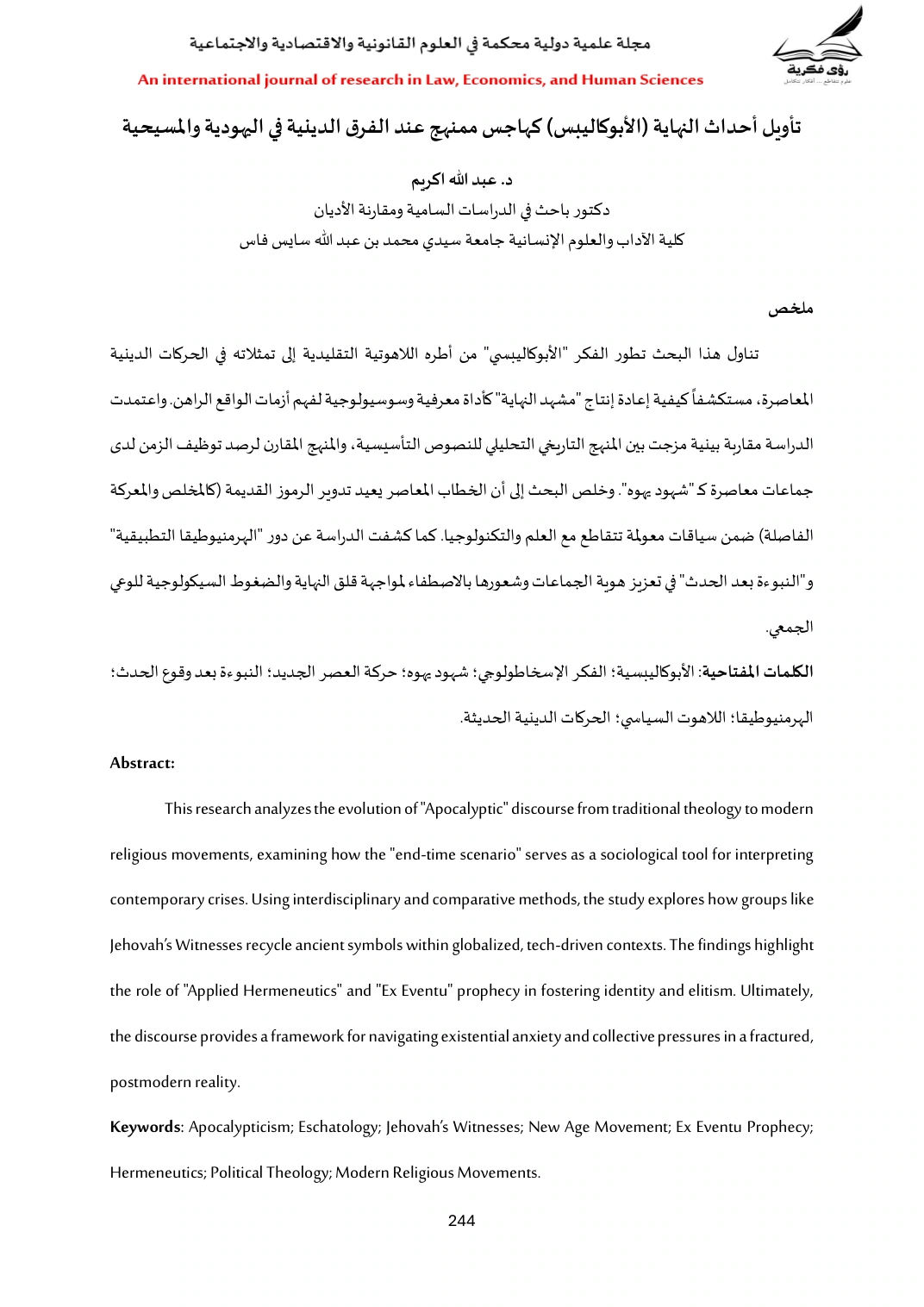
This research analyzes the evolution of "Apocalyptic" discourse from traditional theology to modern religious movements, examining how the "end-time scenario" serves as a sociological tool for interpreting contemporary crises. Using interdisciplinary and comparative methods, the study explores how groups like Jehovah’s Witnesses recycle ancient symbols within globalized, tech-driven contexts. The findings highlight the role of "Applied Hermeneutics" and "Ex Eventu" prophecy in fostering identity and elitism. Ultimately, the discourse provides a framework for navigating existential anxiety and collective pressures in a fractured, postmodern reality.
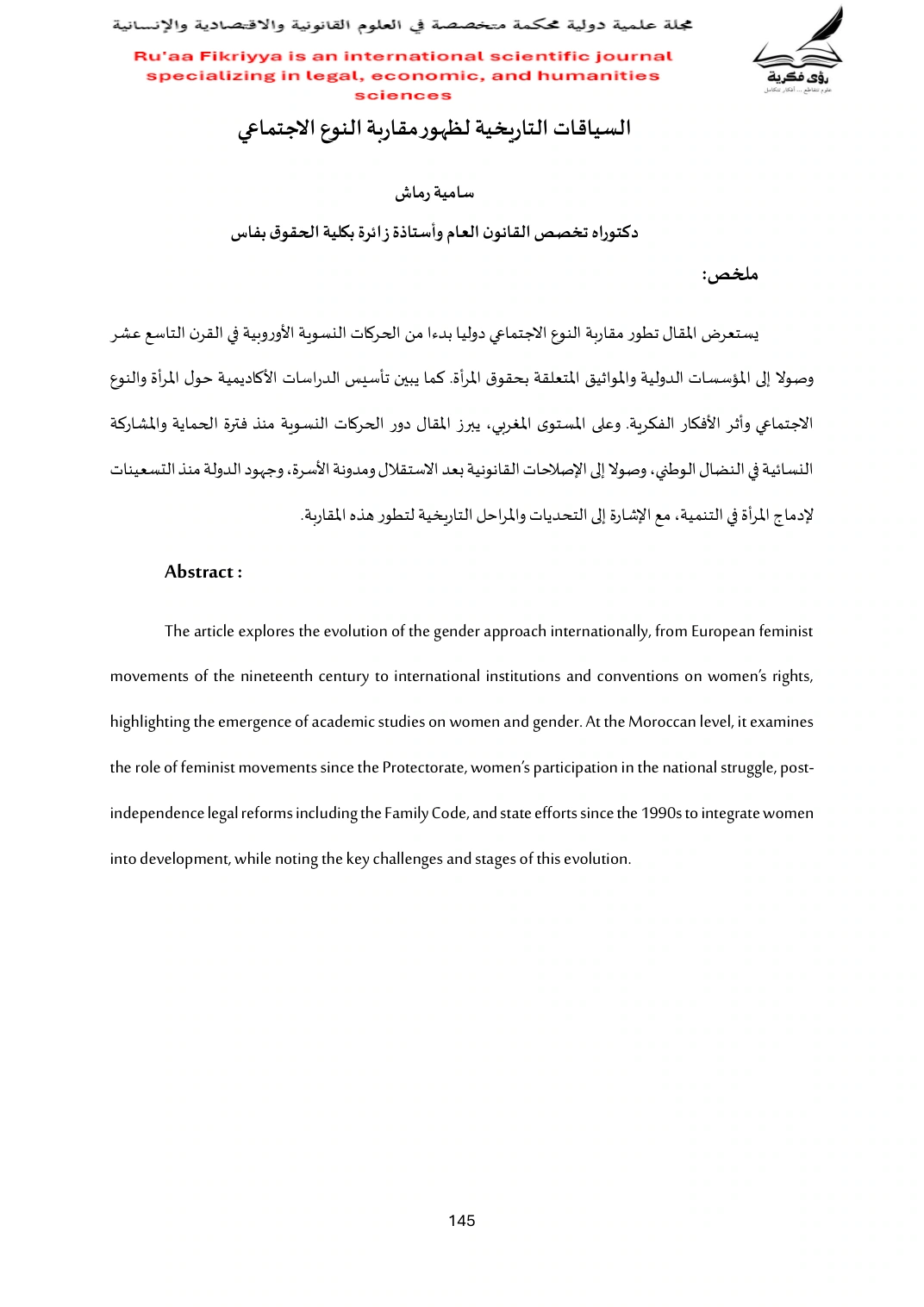
The article explores the evolution of the gender approach internationally, from European feminist movements of the nineteenth century to international institutions and conventions on women’s rights, highlighting the emergence of academic studies on women and gender. At the Moroccan level, it examines the role of feminist movements since the Protectorate, women’s participation in the national struggle, post- independence legal reforms including the Family Code, and state efforts since the 1990s to integrate women into development, while noting the key challenges and stages of this evolution.
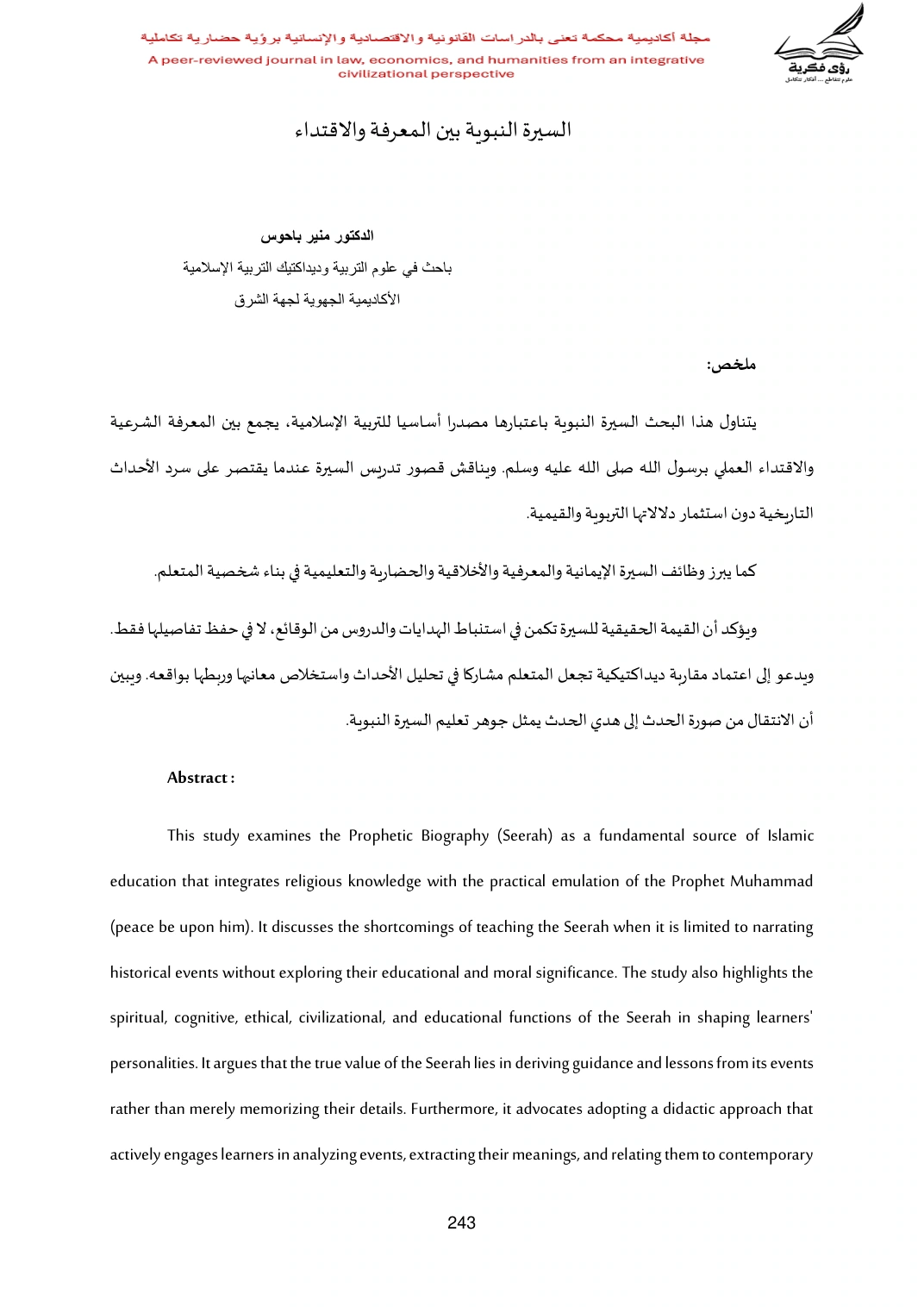
This study examines the Prophetic Biography (Seerah) as a fundamental source of Islamic education that integrates religious knowledge with the practical emulation of the Prophet Muhammad (peace be upon him). It discusses the shortcomings of teaching the Seerah when it is limited to narrating historical events without exploring their educational and moral significance. The study also highlights the spiritual, cognitive, ethical, civilizational, and educational functions of the Seerah in shaping learners' personalities. It argues that the true value of the Seerah lies in deriving guidance and lessons from its events rather than merely memorizing their details. Furthermore, it advocates adopting a didactic approach that actively engages learners in analyzing events, extracting their meanings, and relating them to contemporary realities. Finally, it demonstrates that the transition from the narration of events to the guidance derived from them constitutes the essence of teaching the Prophetic Biography.
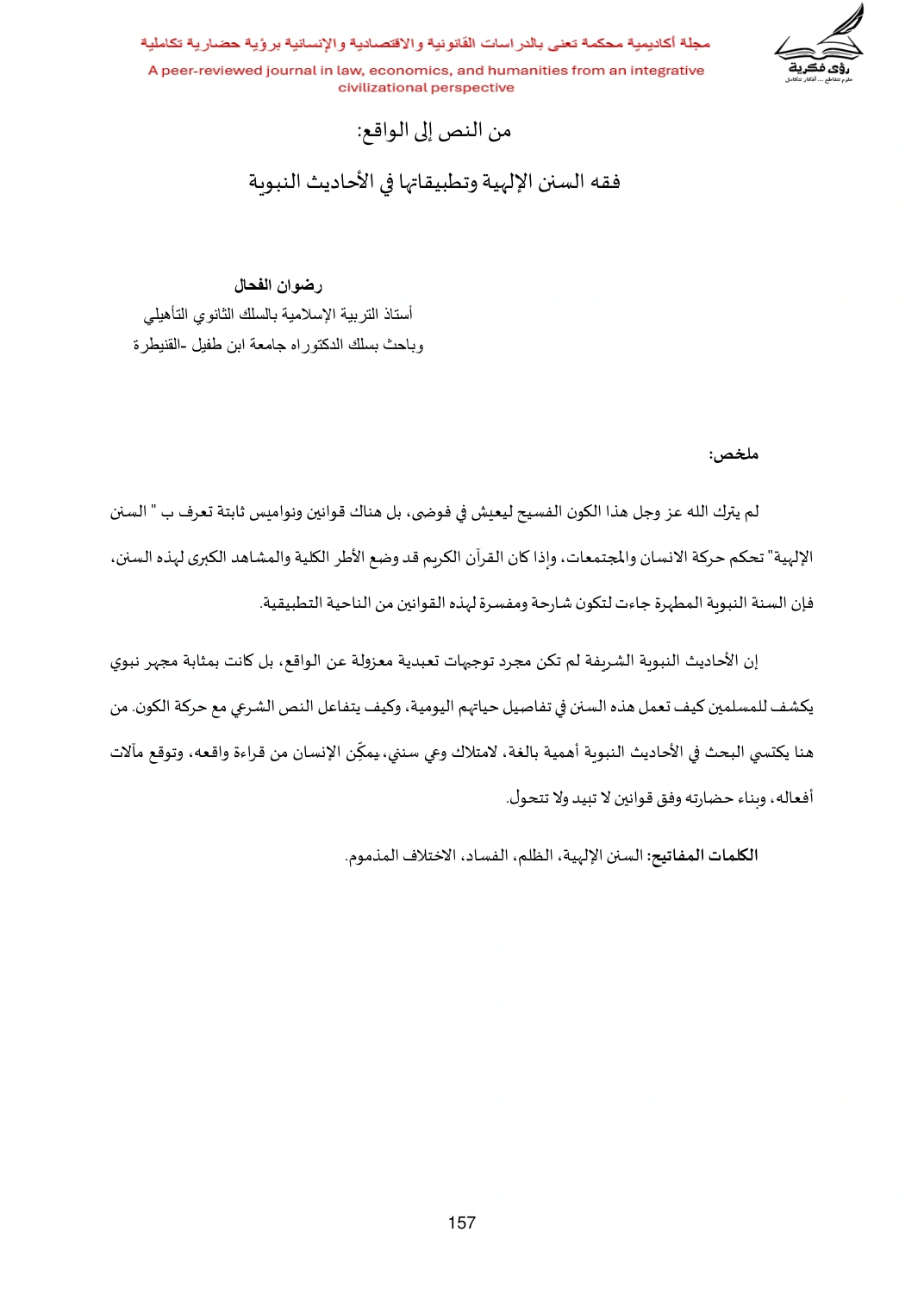
God Almighty did not leave this vast universe to exist in chaos; rather, there are governing laws and principles—known as "Divine Laws" (Sunan)—that regulate human affairs. While the Holy Quran established the broad frameworks and overarching scope of these laws, the Prophetic Sunnah stepped forward to explain and interpret them in practical terms. The noble Prophetic Hadiths were not merely directives for worship isolated from reality; instead, they served as a "Prophetic lens," revealing to Muslims how these Divine Laws operate within the details of their daily lives and how religious texts interact with the dynamics of the universe. Thus, studying Prophetic Hadiths takes on great importance, fostering a "Sunnah-based consciousness" that enables individuals to understand reality, anticipate the consequences of their actions, and build their civilization in accordance with immutable, unwavering laws.
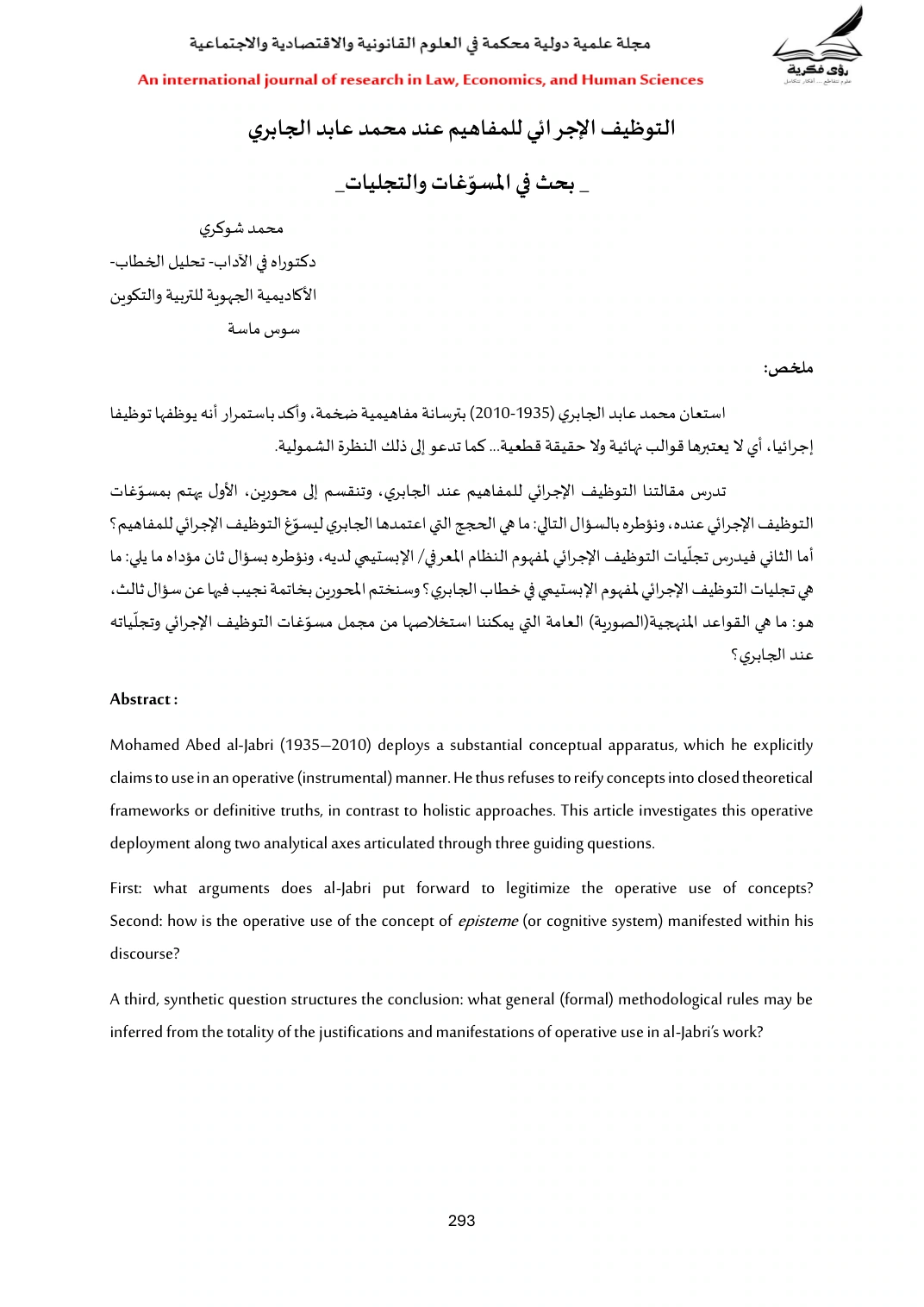
Mohamed Abed al-Jabri (1935–2010) deploys a substantial conceptual apparatus, which he explicitly claims to use in an operative (instrumental) manner. He thus refuses to reify concepts into closed theoretical frameworks or definitive truths, in contrast to holistic approaches. This article investigates this operative deployment along two analytical axes articulated through three guiding questions. First: what arguments does al-Jabri put forward to legitimize the operative use of concepts? Second: how is the operative use of the concept of episteme (or cognitive system) manifested within his discourse? A third, synthetic question structures the conclusion: what general (formal) methodological rules may be inferred from the totality of the justifications and manifestations of operative use in al-Jabri’s work?
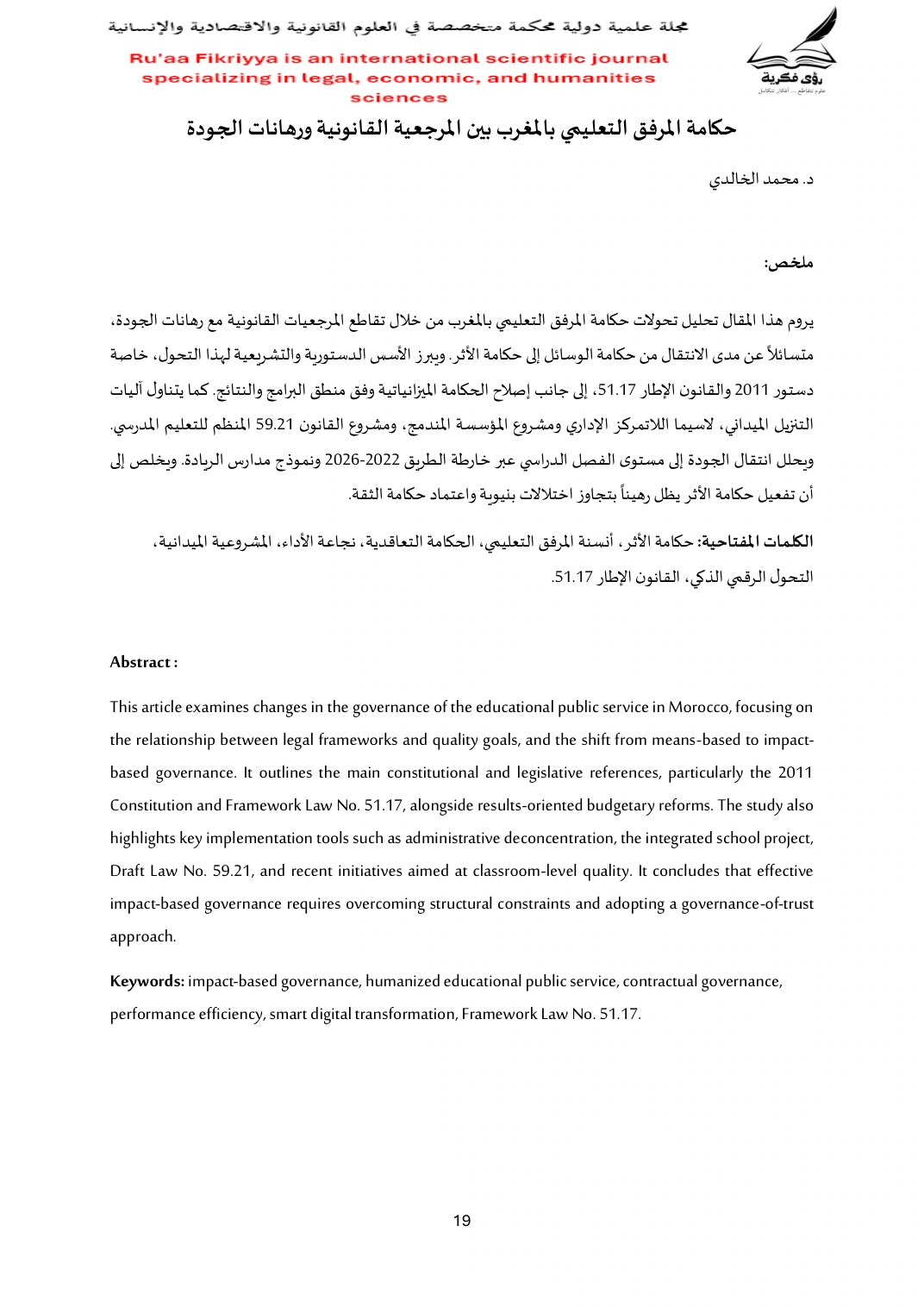
This article examines changes in the governance of the educational public service in Morocco, focusing on the relationship between legal frameworks and quality goals, and the shift from means-based to impact- based governance. It outlines the main constitutional and legislative references, particularly the 2011 Constitution and Framework Law No. 51.17, alongside results-oriented budgetary reforms. The study also highlights key implementation tools such as administrative deconcentration, the integrated school project, Draft Law No. 59.21, and recent initiatives aimed at classroom-level quality. It concludes that effective impact-based governance requires overcoming structural constraints and adopting a governance-of-trust approach.
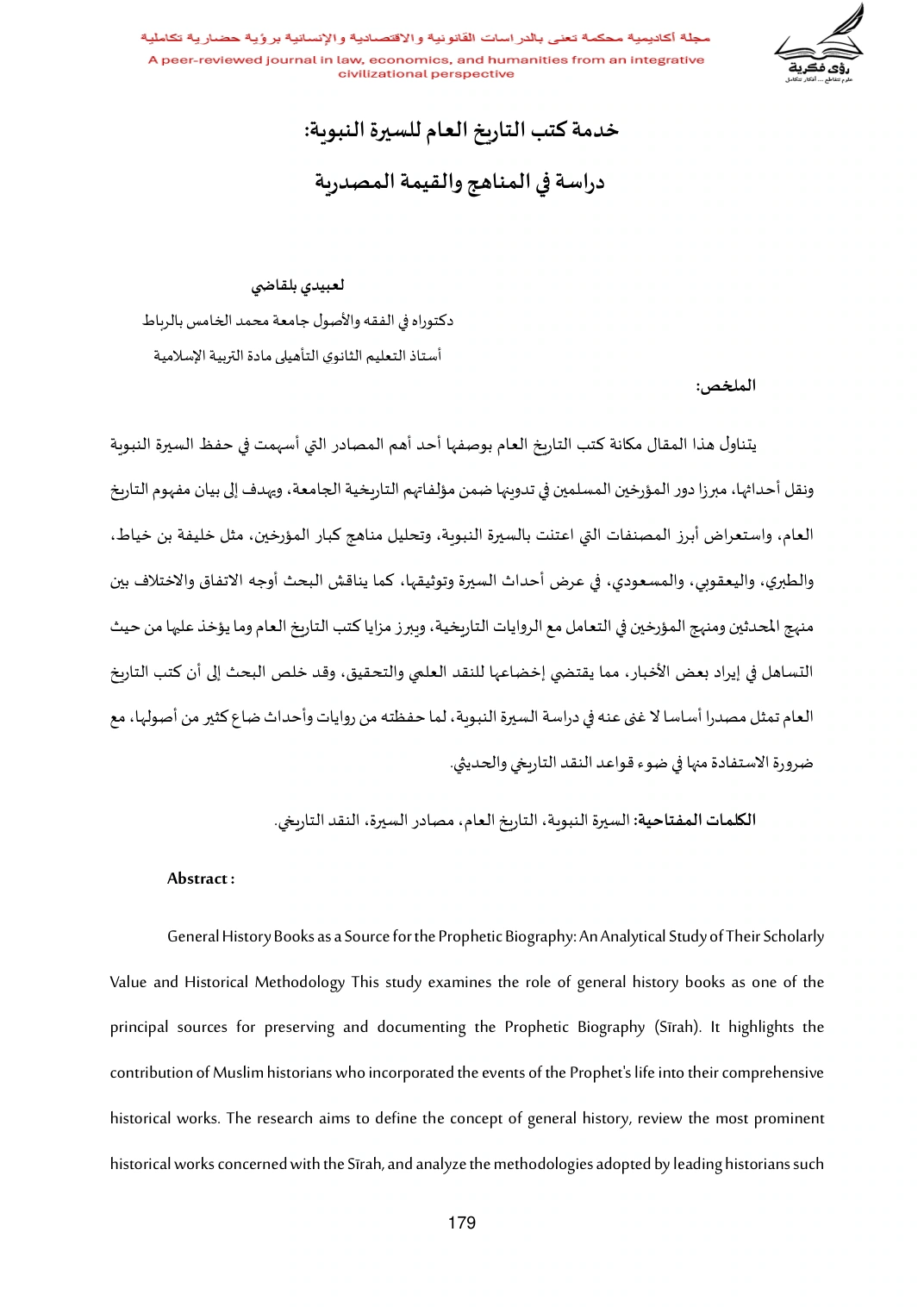
General History Books as a Source for the Prophetic Biography: An Analytical Study of Their Scholarly Value and Historical Methodology This study examines the role of general history books as one of the principal sources for preserving and documenting the Prophetic Biography (Sīrah). It highlights the contribution of Muslim historians who incorporated the events of the Prophet's life into their comprehensive historical works. The research aims to define the concept of general history, review the most prominent historical works concerned with the Sīrah, and analyze the methodologies adopted by leading historians such as Khalīfah ibn Khayyāṭ, al-Ṭabarī, al-Yaʿqūbī, and al-Masʿūdī in narrating and documenting the events of the Prophet's life. It also discusses the similarities and differences between the approaches of hadith scholars and historians in dealing with historical reports, while evaluating the strengths and limitations of general history books, particularly regarding the inclusion of weak or unverified narrations. The study concludes that general history books constitute an indispensable source for the study of the Prophetic Biography, as they preserve numerous historical accounts whose original sources have been lost. Nevertheless, these works should be utilized in accordance with the principles of historical and hadith criticism.
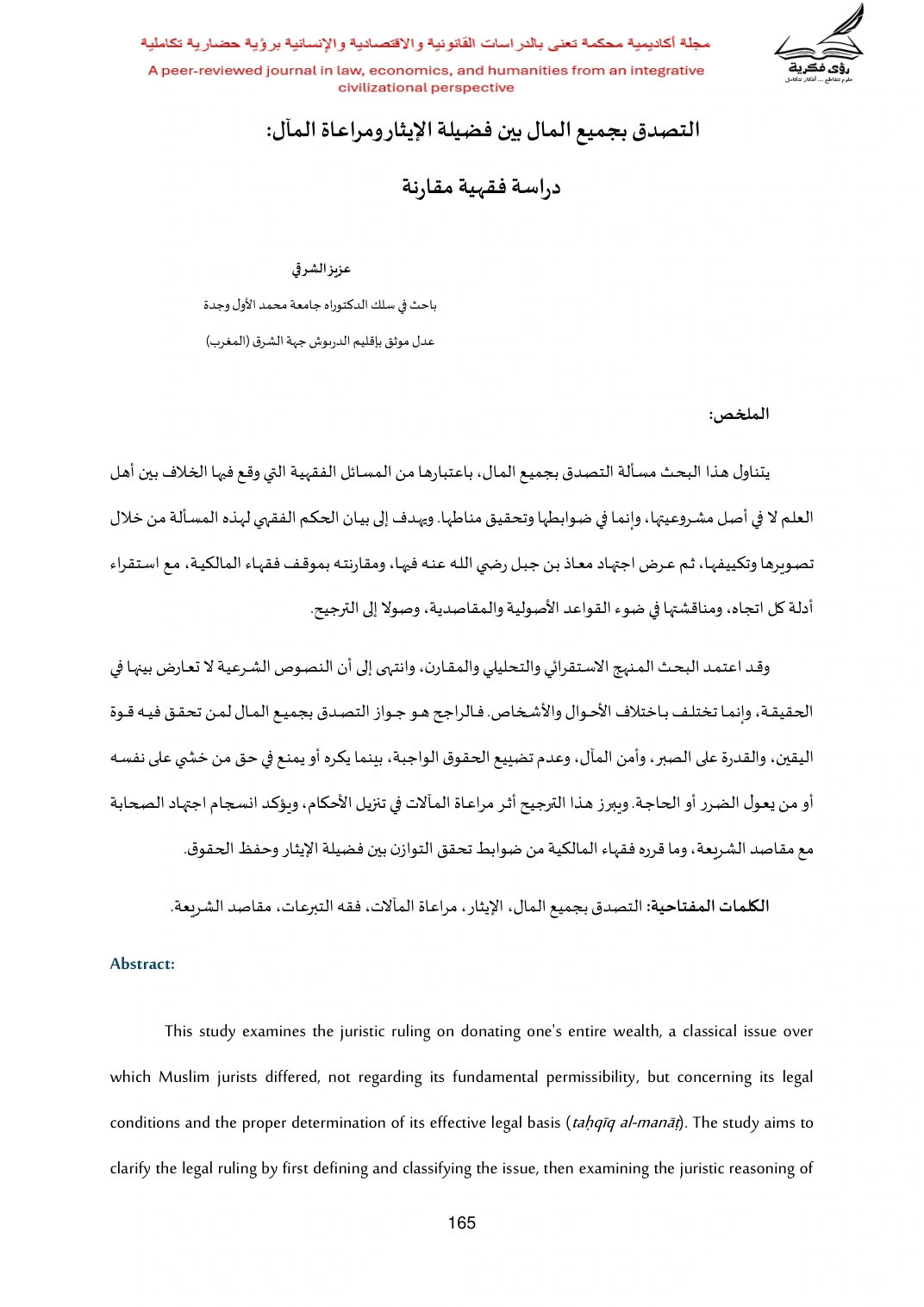
This study examines the juristic ruling on donating one's entire wealth, a classical issue over which Muslim jurists differed, not regarding its fundamental permissibility, but concerning its legal conditions and the proper determination of its effective legal basis (taḥqīq al-manāṭ). The study aims to clarify the legal ruling by first defining and classifying the issue, then examining the juristic reasoning of Muʿādh ibn Jabal (may Allah be pleased with him) and comparing it with the position of the Mālikī school. It further analyzes the evidences advanced by each opinion, discusses them in light of the principles of Islamic legal theory and the higher objectives of Sharīʿah (Maqāṣid al-Sharīʿah), and ultimately offers a reasoned preference. The research adopts an inductive, analytical, and comparative methodology. It concludes that the relevant scriptural texts are not genuinely contradictory; rather, they apply to different circumstances and individuals. Accordingly, the preferred opinion is that donating one's entire wealth is permissible for a person who possesses firm faith, patience, confidence in the outcome, and who does not neglect obligatory rights. Conversely, it is considered disliked or even prohibited when such conditions are absent and the act is likely to result in harm to oneself or one's dependents. This conclusion highlights the significance of considering legal consequences (ma'ālāt) in the application of Islamic rulings and demonstrates the harmony between the juristic reasoning of the Companions and the Mālikī jurists' legal principles, which seek to balance the virtue of altruism with the preservation of legitimate rights.
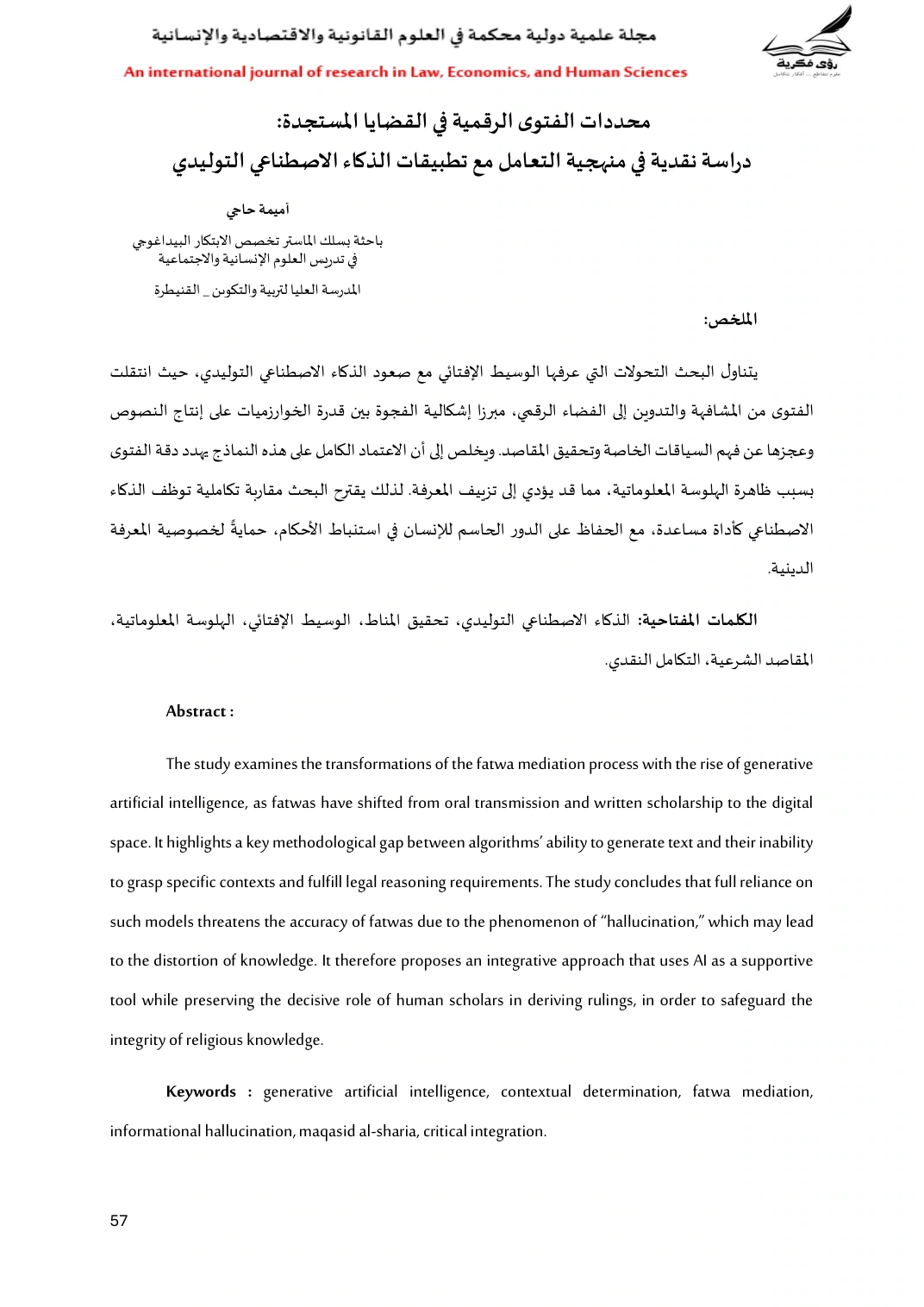
The study examines the transformations of the fatwa mediation process with the rise of generative artificial intelligence, as fatwas have shifted from oral transmission and written scholarship to the digital space. It highlights a key methodological gap between algorithms’ ability to generate text and their inability to grasp specific contexts and fulfill legal reasoning requirements. The study concludes that full reliance on such models threatens the accuracy of fatwas due to the phenomenon of “hallucination,” which may lead to the distortion of knowledge. It therefore proposes an integrative approach that uses AI as a supportive tool while preserving the decisive role of human scholars in deriving rulings, in order to safeguard the integrity of religious knowledge.
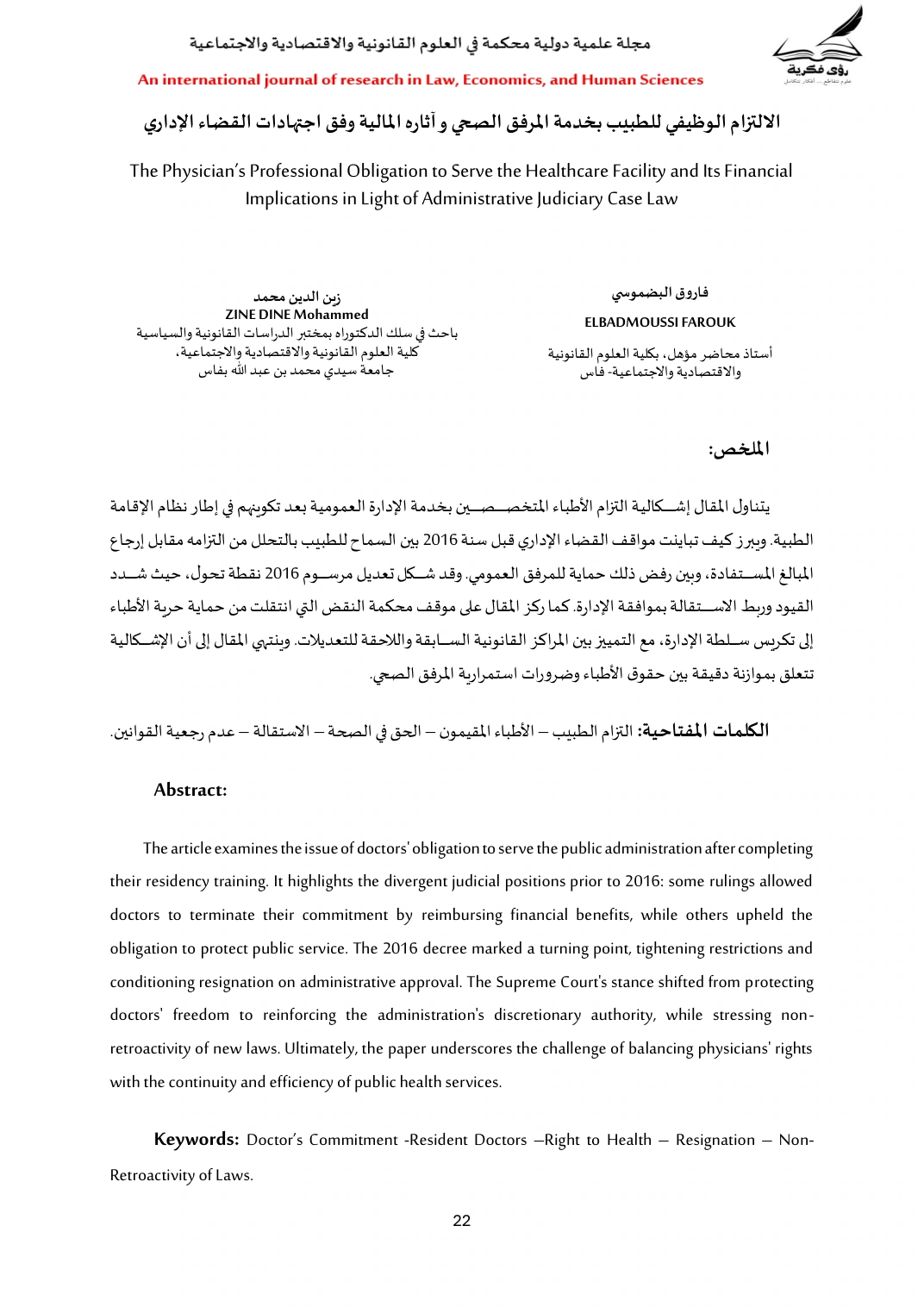
The article examines the issue of doctors' obligation to serve the public administration after completing their residency training. It highlights the divergent judicial positions prior to 2016: some rulings allowed doctors to terminate their commitment by reimbursing financial benefits, while others upheld the obligation to protect public service. The 2016 decree marked a turning point, tightening restrictions and conditioning resignation on administrative approval. The Supreme Court's stance shifted from protecting doctors' freedom to reinforcing the administration's discretionary authority, while stressing non- retroactivity of new laws. Ultimately, the paper underscores the challenge of balancing physicians' rights with the continuity and efficiency of public health services.
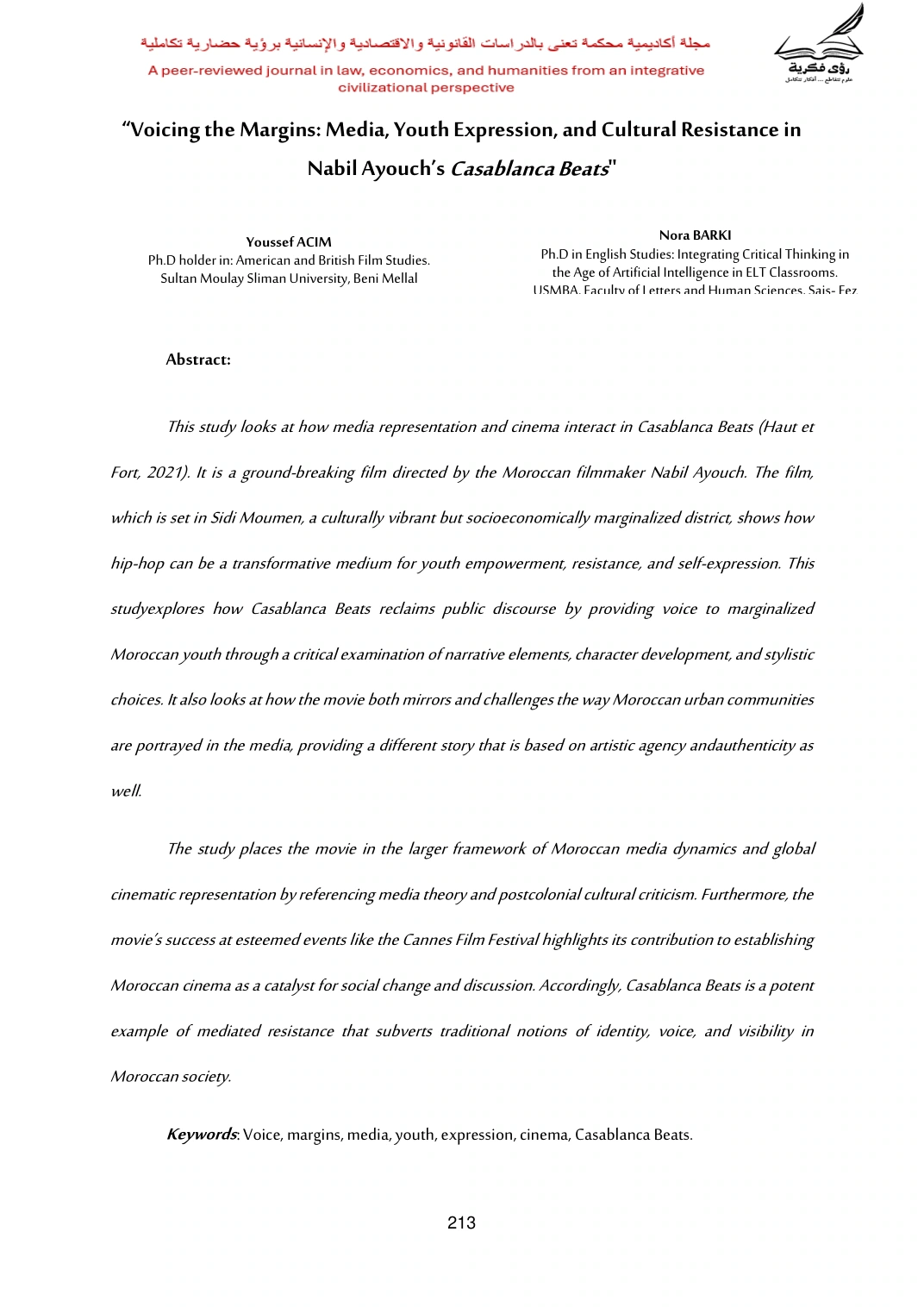
This study looks at how media representation and cinema interact in Casablanca Beats (Haut et Fort, 2021). It is a ground-breaking film directed by the Moroccan filmmaker Nabil Ayouch. The film, which is set in Sidi Moumen, a culturally vibrant but socioeconomically marginalized district, shows how hip-hop can be a transformative medium for youth empowerment, resistance, and self-expression. This studyexplores how Casablanca Beats reclaims public discourse by providing voice to marginalized Moroccan youth through a critical examination of narrative elements, character development, and stylistic choices. It also looks at how the movie both mirrors and challenges the way Moroccan urban communities are portrayed in the media, providing a different story that is based on artistic agency andauthenticity as well. The study places the movie in the larger framework of Moroccan media dynamics and global cinematic representation by referencing media theory and postcolonial cultural criticism. Furthermore, the movie’s success at esteemed events like the Cannes Film Festival highlights its contribution to establishing Moroccan cinema as a catalyst for social change and discussion. Accordingly, Casablanca Beats is a potent example of mediated resistance that subverts traditional notions of identity, voice, and visibility in Moroccan society.
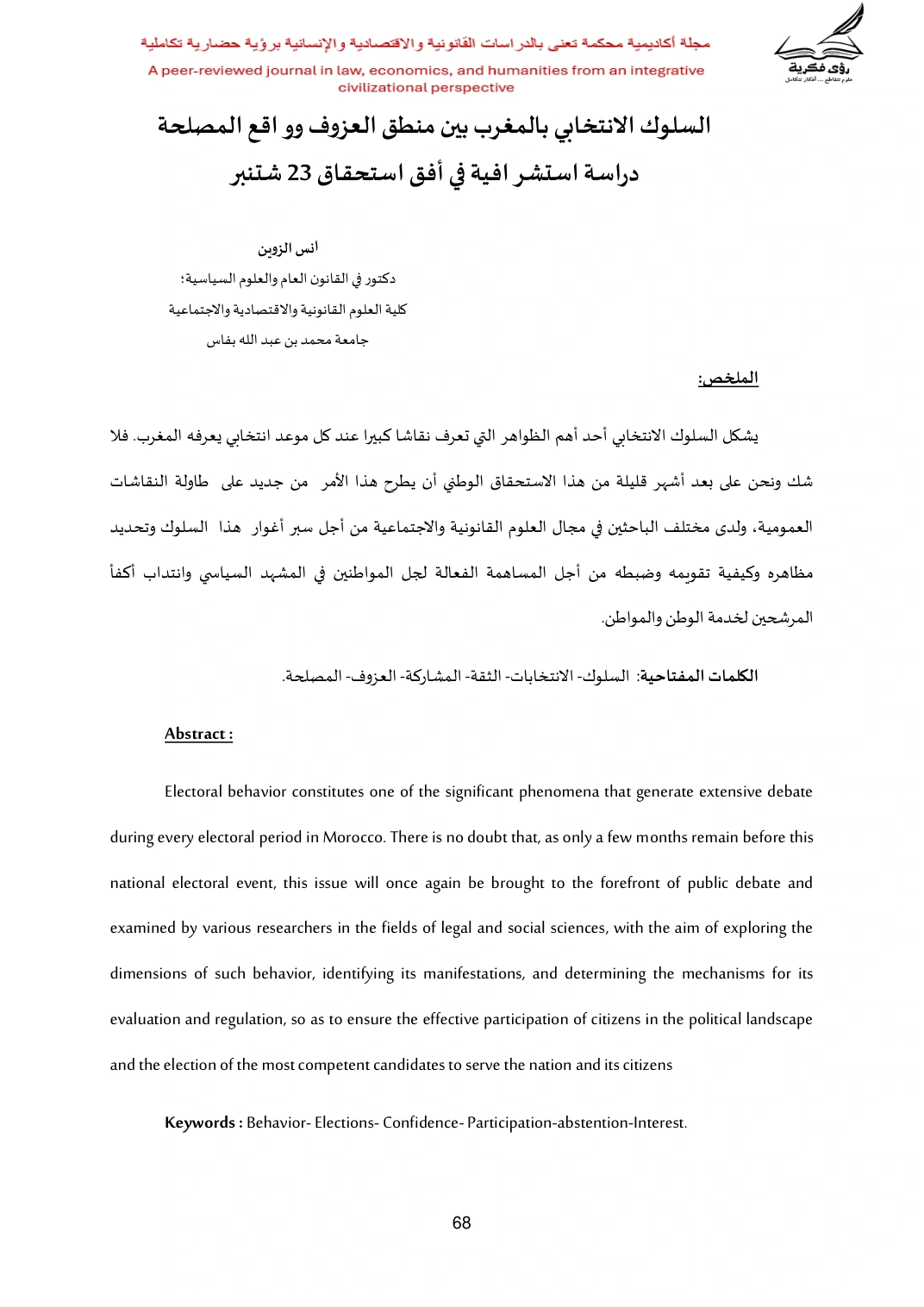
Electoral behavior constitutes one of the significant phenomena that generate extensive debate during every electoral period in Morocco. There is no doubt that, as only a few months remain before this national electoral event, this issue will once again be brought to the forefront of public debate and examined by various researchers in the fields of legal and social sciences, with the aim of exploring the dimensions of such behavior, identifying its manifestations, and determining the mechanisms for its evaluation and regulation, so as to ensure the effective participation of citizens in the political landscape and the election of the most competent candidates to serve the nation and its citizens
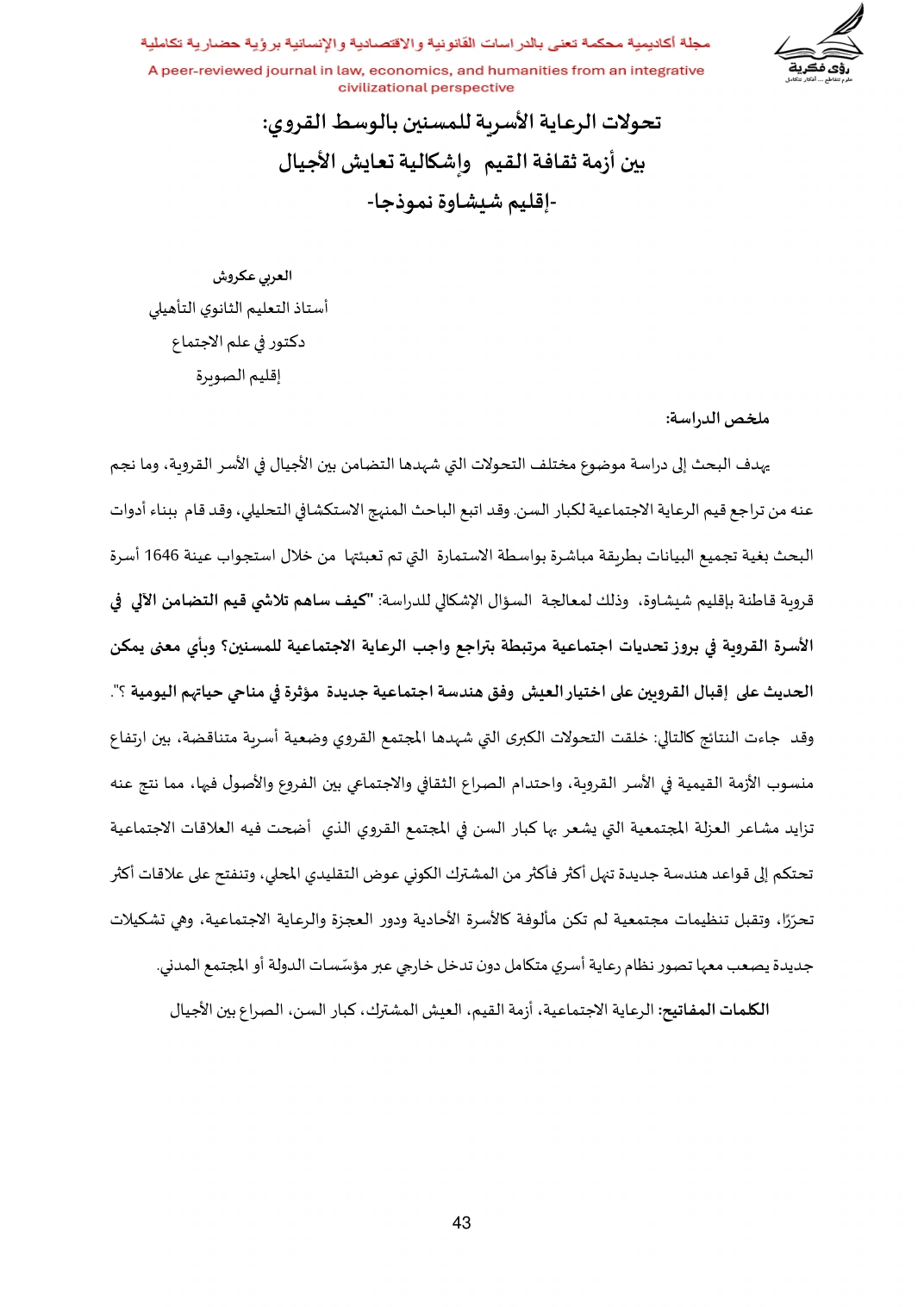
The research aims to study the various transformations witnessed by intergenerational solidarity in rural families, and the resulting decline in the values of social welfare for the elderly. The researcher followed the exploratory analytical approach, and built the research tools in order to collect data directly through the form that was filled out by interrogating a sample of 1646 rural families living in the province of Chichaoua, in order to address the problematic question of the study: "How did the disappearance of the values of automatic solidarity in the rural family contribute to the emergence of social challenges related to the decline in the social duty of the elderly? In what sense can we talk about the villagers' willingness to choose to live according to a new social architecture that affects their daily lives?"The results were as follows: The major transformations experienced by rural society have created a contradictory family situation, between the rise of the moral crisis within rural families and the intensification of cultural and social conflict between the branches and origins within them. This has resulted in an increase in the feelings of social isolation experienced by elderly people in rural society, where social relationships have come to obey new engineering rules that draw more and more from universal commonalities rather than local traditions, and open up to more liberated relationships, accepting social structures that were not familiar, such as the nuclear family, nursing homes, and social care. These are new formations with which it is difficult to imagine a comprehensive family care system without external intervention through state institutions or civil society.
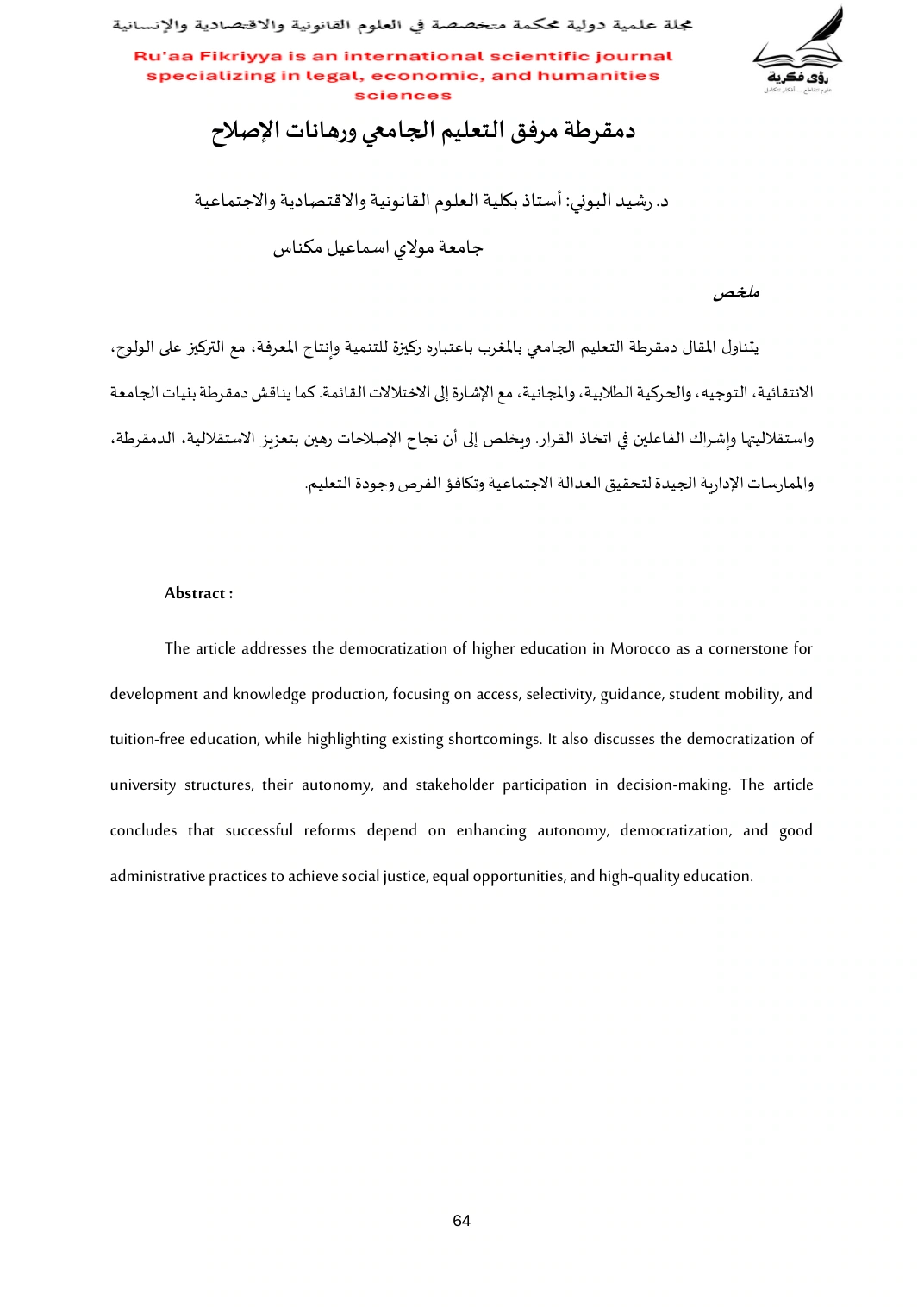
The article addresses the democratization of higher education in Morocco as a cornerstone for development and knowledge production, focusing on access, selectivity, guidance, student mobility, and tuition-free education, while highlighting existing shortcomings. It also discusses the democratization of university structures, their autonomy, and stakeholder participation in decision-making. The article concludes that successful reforms depend on enhancing autonomy, democratization, and good administrative practices to achieve social justice, equal opportunities, and high-quality education.
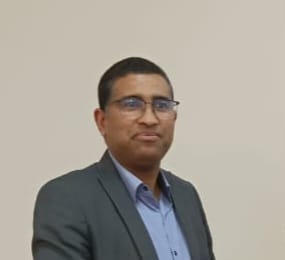
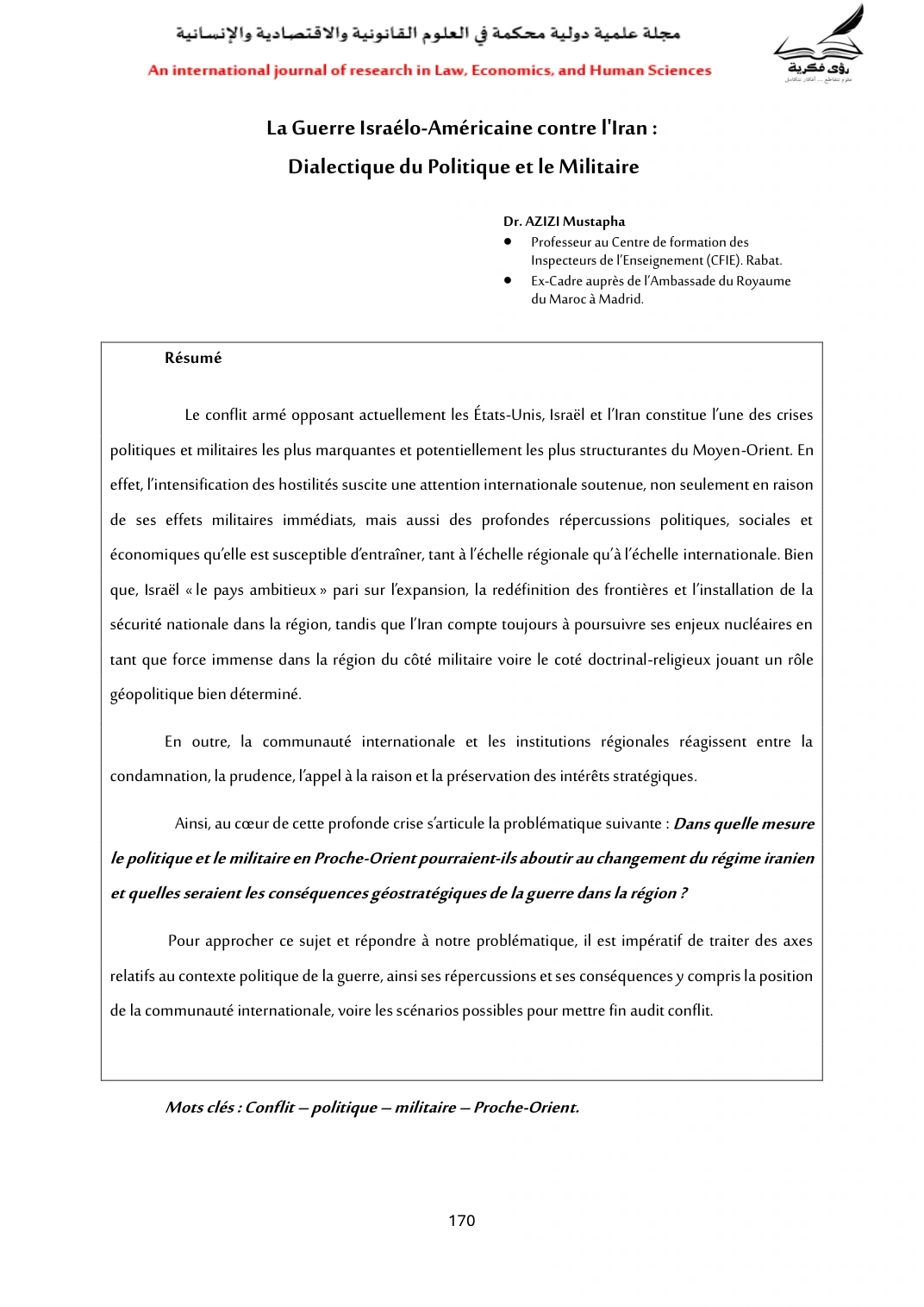
The armed conflict currently opposing the United States, Israel, and Iran constitutes one of the most significant and potentially structuring political and military crises in the Middle East. Indeed, the intensification of hostilities is drawing sustained international attention, not only due to its immediate military effects but also because of the profound political, social, and economic repercussions it is likely to cause, both regionally and internationally. Indeed, Israel, "the ambitious country," is betting on expansion, the redefinition of borders, and the establishment of national security in the region, while Iran still intends to pursue its nuclear ambitions as a formidable force in the region, with even the doctrinal-religious aspect playing a well-determined geopolitical role. Moreover, the international community and regional institutions respond with a mix of condemnation, caution, appeals to reason, and the preservation of strategic interests. Thus, at the heart of this profound crisis lies the following issue: To what extent could political and military actions in the Middle East lead to a change in the Iranian regime, and what would be the geostrategic consequences of war in the region? To approach this topic and address our issue, it is imperative to tackle the axes related to the political context of the war, as well as its repercussions and consequences, including the position of the international community, and even the possible scenarios for ending the conflict.
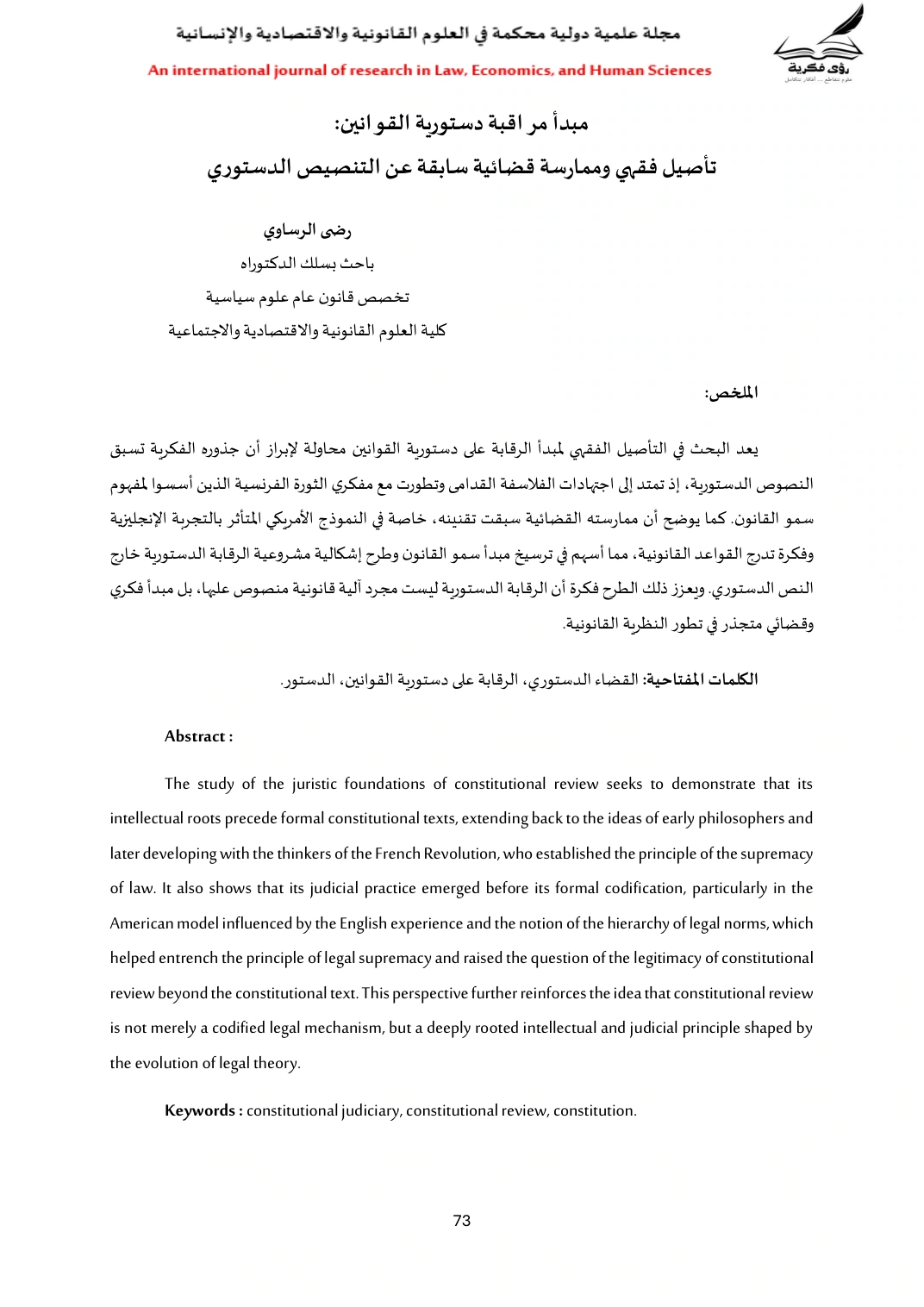
The study of the juristic foundations of constitutional review seeks to demonstrate that its intellectual roots precede formal constitutional texts, extending back to the ideas of early philosophers and later developing with the thinkers of the French Revolution, who established the principle of the supremacy of law. It also shows that its judicial practice emerged before its formal codification, particularly in the American model influenced by the English experience and the notion of the hierarchy of legal norms, which helped entrench the principle of legal supremacy and raised the question of the legitimacy of constitutional review beyond the constitutional text. This perspective further reinforces the idea that constitutional review is not merely a codified legal mechanism, but a deeply rooted intellectual and judicial principle shaped by the evolution of legal theory.
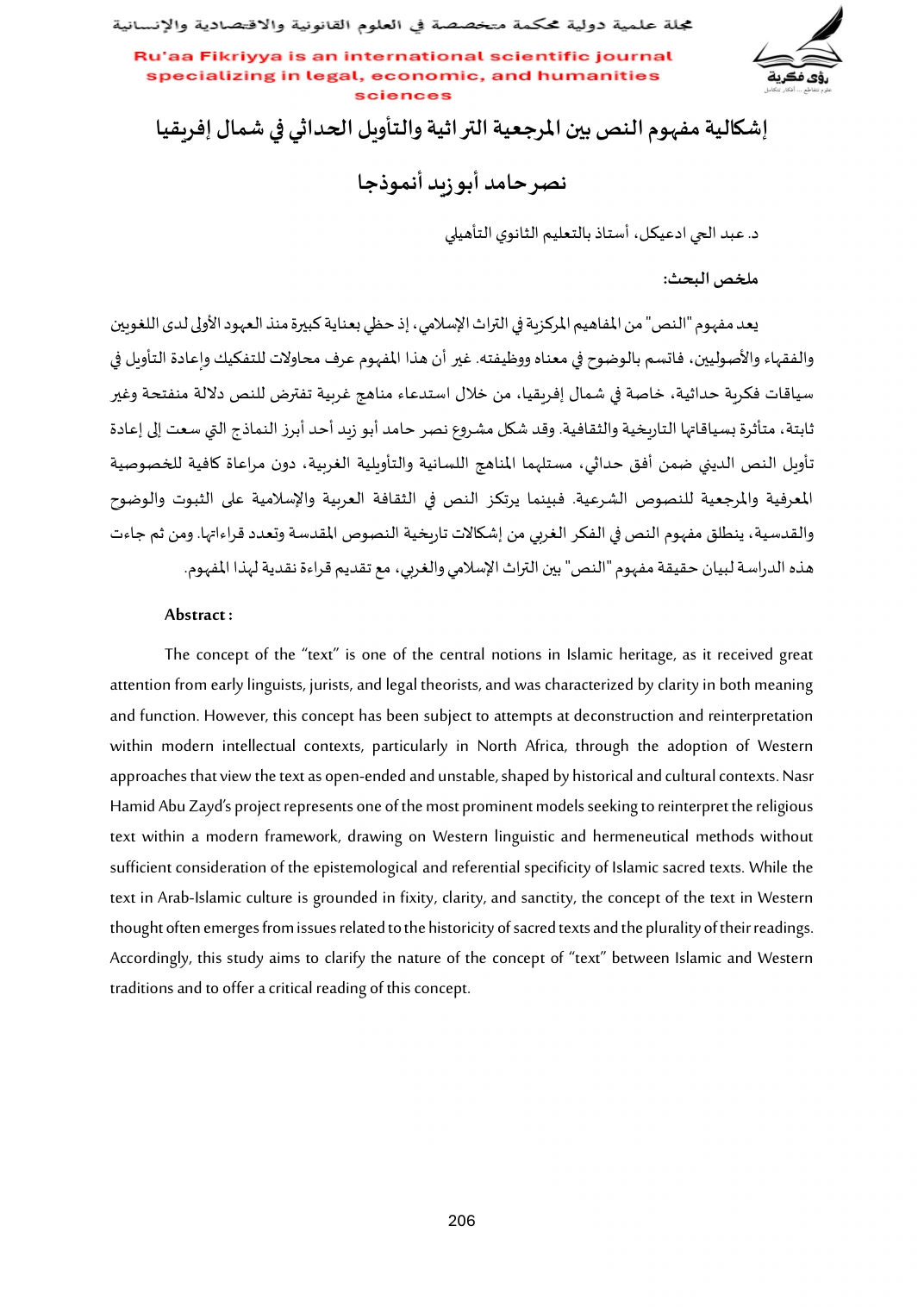
The concept of the “text” is one of the central notions in Islamic heritage, as it received great attention from early linguists, jurists, and legal theorists, and was characterized by clarity in both meaning and function. However, this concept has been subject to attempts at deconstruction and reinterpretation within modern intellectual contexts, particularly in North Africa, through the adoption of Western approaches that view the text as open-ended and unstable, shaped by historical and cultural contexts. Nasr Hamid Abu Zayd’s project represents one of the most prominent models seeking to reinterpret the religious text within a modern framework, drawing on Western linguistic and hermeneutical methods without sufficient consideration of the epistemological and referential specificity of Islamic sacred texts. While the text in Arab-Islamic culture is grounded in fixity, clarity, and sanctity, the concept of the text in Western thought often emerges from issues related to the historicity of sacred texts and the plurality of their readings. Accordingly, this study aims to clarify the nature of the concept of “text” between Islamic and Western traditions and to offer a critical reading of this concept .
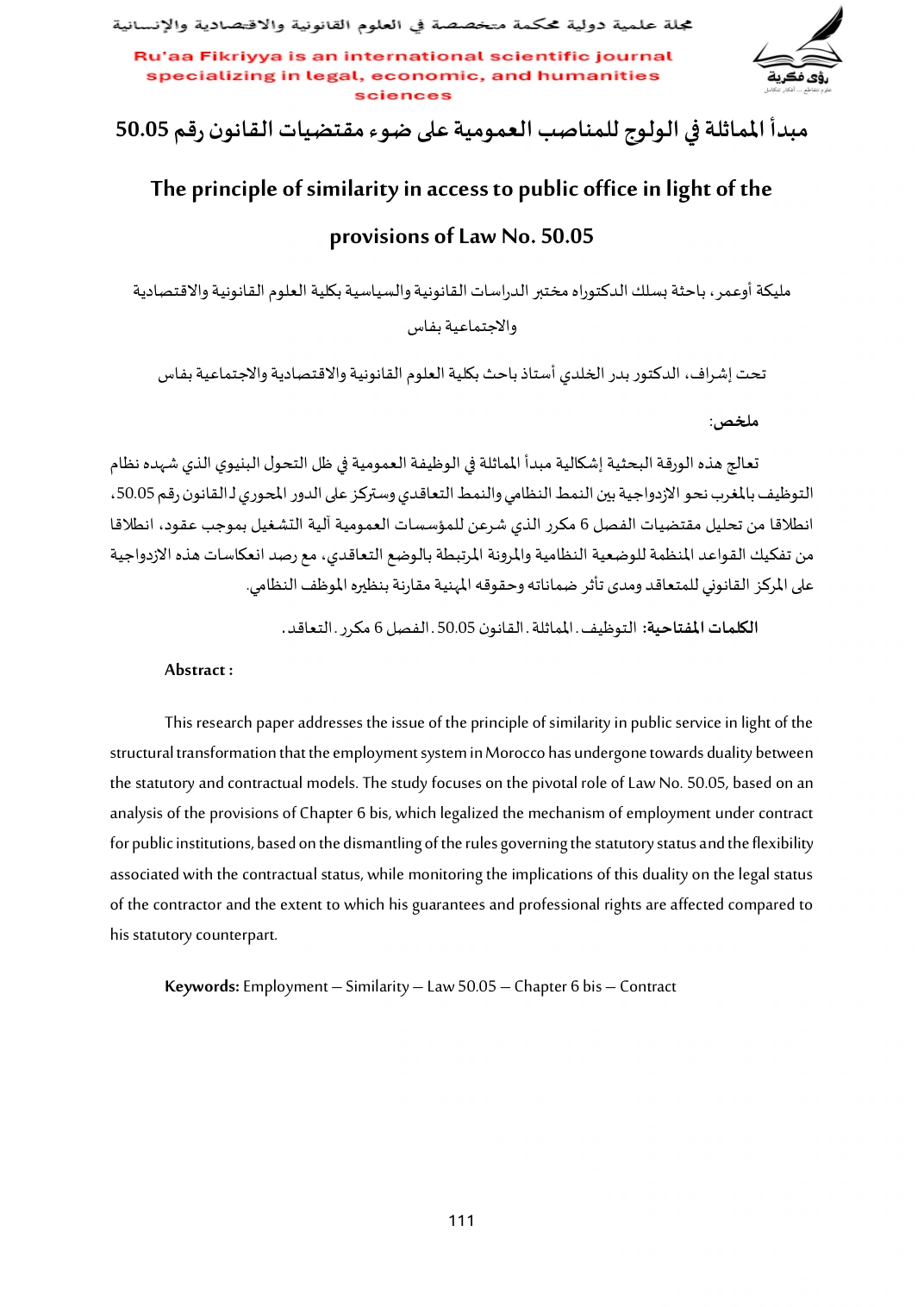
This research paper addresses the issue of the principle of similarity in public service in light of the structural transformation that the employment system in Morocco has undergone towards duality between the statutory and contractual models. The study focuses on the pivotal role of Law No. 50.05, based on an analysis of the provisions of Chapter 6 bis, which legalized the mechanism of employment under contract for public institutions, based on the dismantling of the rules governing the statutory status and the flexibility associated with the contractual status, while monitoring the implications of this duality on the legal status of the contractor and the extent to which his guarantees and professional rights are affected compared to his statutory counterpart.
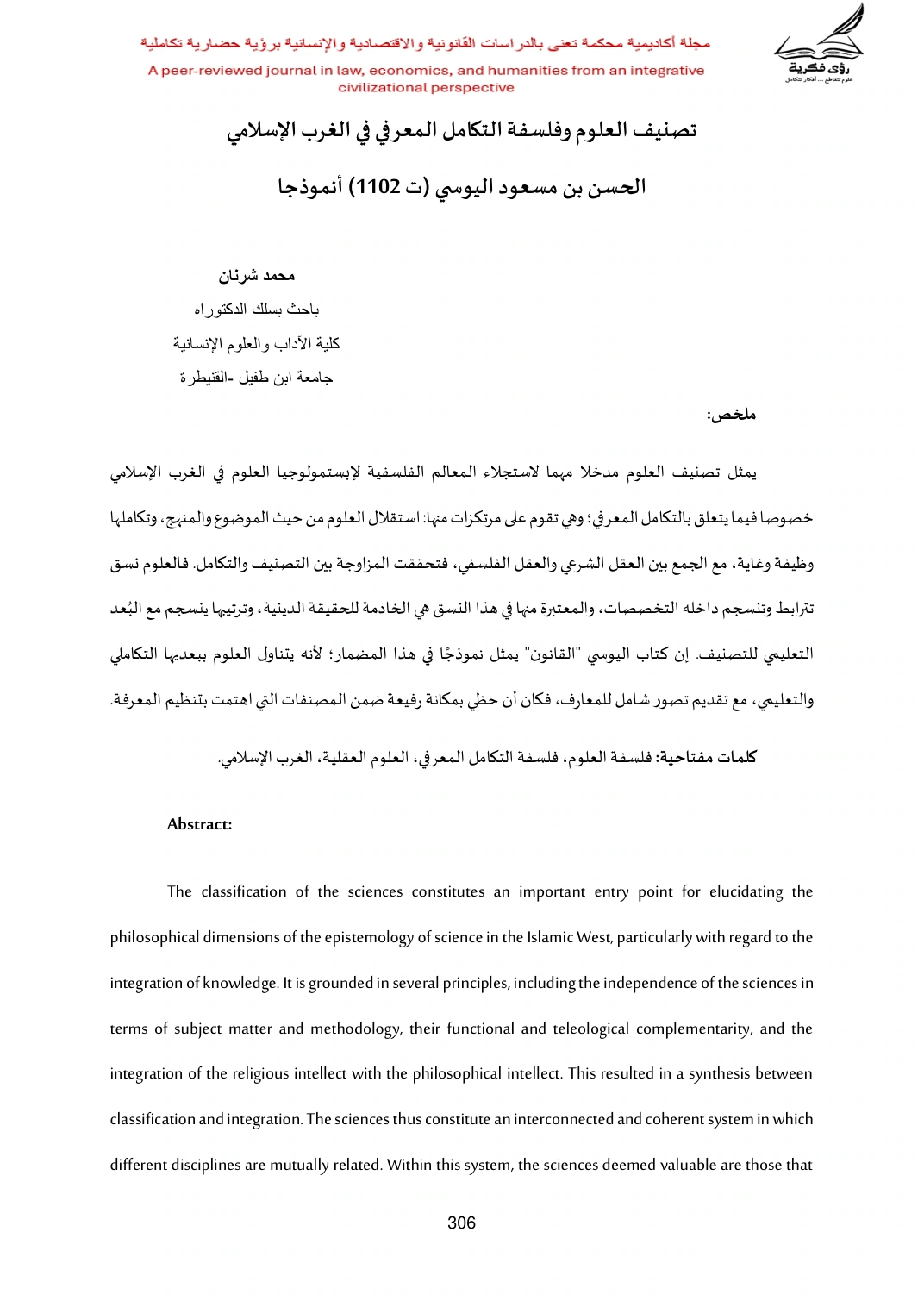
The classification of the sciences constitutes an important entry point for elucidating the philosophical dimensions of the epistemology of science in the Islamic West, particularly with regard to the integration of knowledge. It is grounded in several principles, including the independence of the sciences in terms of subject matter and methodology, their functional and teleological complementarity, and the integration of the religious intellect with the philosophical intellect. This resulted in a synthesis between classification and integration. The sciences thus constitute an interconnected and coherent system in which different disciplines are mutually related. Within this system, the sciences deemed valuable are those that serve religious truth, while their ordering is consistent with the educational dimension of classification. Al- Yusi’s Al-Qanun represents a significant model in this field, as it approaches the sciences from both an integrative and educational perspective, while providing a comprehensive conception of knowledge. It consequently occupies a distinguished position among works concerned with the organization of knowledge.
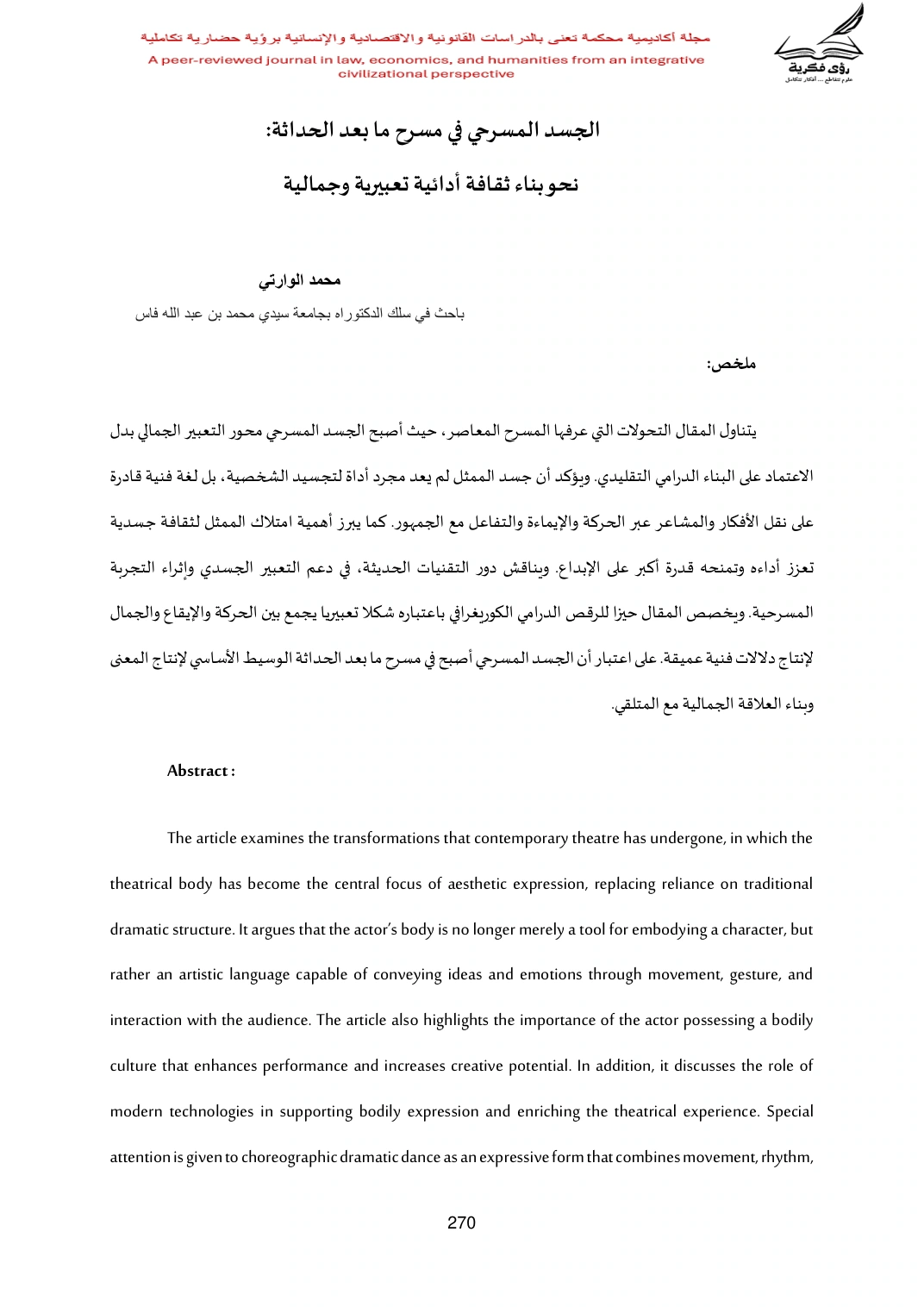
The article examines the transformations that contemporary theatre has undergone, in which the theatrical body has become the central focus of aesthetic expression, replacing reliance on traditional dramatic structure. It argues that the actor’s body is no longer merely a tool for embodying a character, but rather an artistic language capable of conveying ideas and emotions through movement, gesture, and interaction with the audience. The article also highlights the importance of the actor possessing a bodily culture that enhances performance and increases creative potential. In addition, it discusses the role of modern technologies in supporting bodily expression and enriching the theatrical experience. Special attention is given to choreographic dramatic dance as an expressive form that combines movement, rhythm, and beauty to generate profound artistic meanings. The article concludes that, in postmodern theatre, the theatrical body has become the primary medium for producing meaning and establishing an aesthetic relationship with the audience.
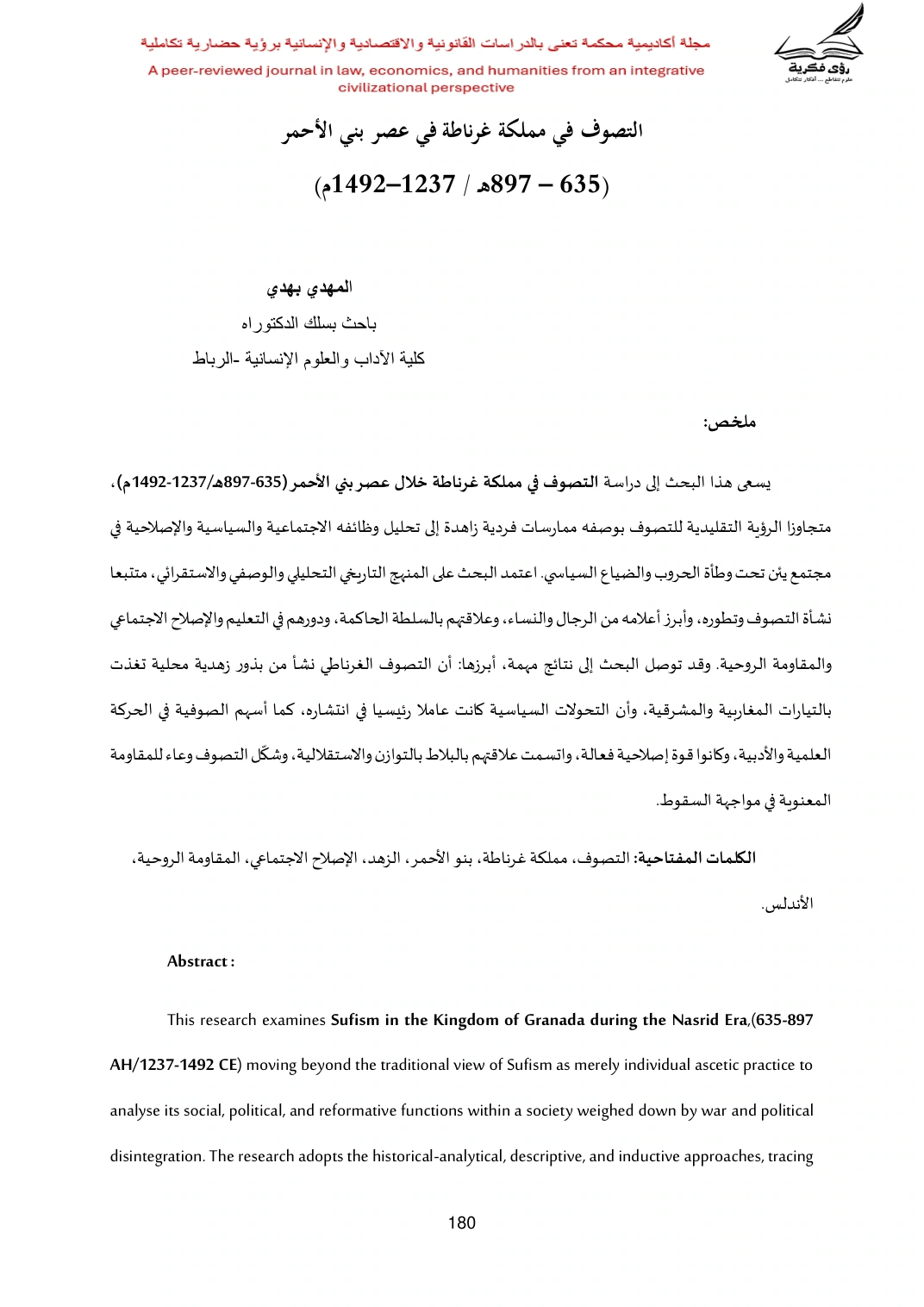
This research examines Sufism in the Kingdom of Granada during the Nasrid Era,(635-897 AH/1237-1492 CE) moving beyond the traditional view of Sufism as merely individual ascetic practice to analyse its social, political, and reformative functions within a society weighed down by war and political disintegration. The research adopts the historical-analytical, descriptive, and inductive approaches, tracing the origins and development of Sufism, its most prominent male and female figures, their relationship with the ruling authority, and their role in education, social reform, and spiritual resistance. The research reaches several important conclusions, most notably: that Granadan Sufism emerged from local ascetic roots nourished by Maghrebi and Eastern currents, that political transformations were a major factor in its spread, that Sufis contributed significantly to the scholarly and literary movements, that they constituted an effective reformative force, that their relationship with the court was characterized by balance and independence, and that Sufism served as a vehicle for moral resistance in the face of the eventual fall of the kingdom.
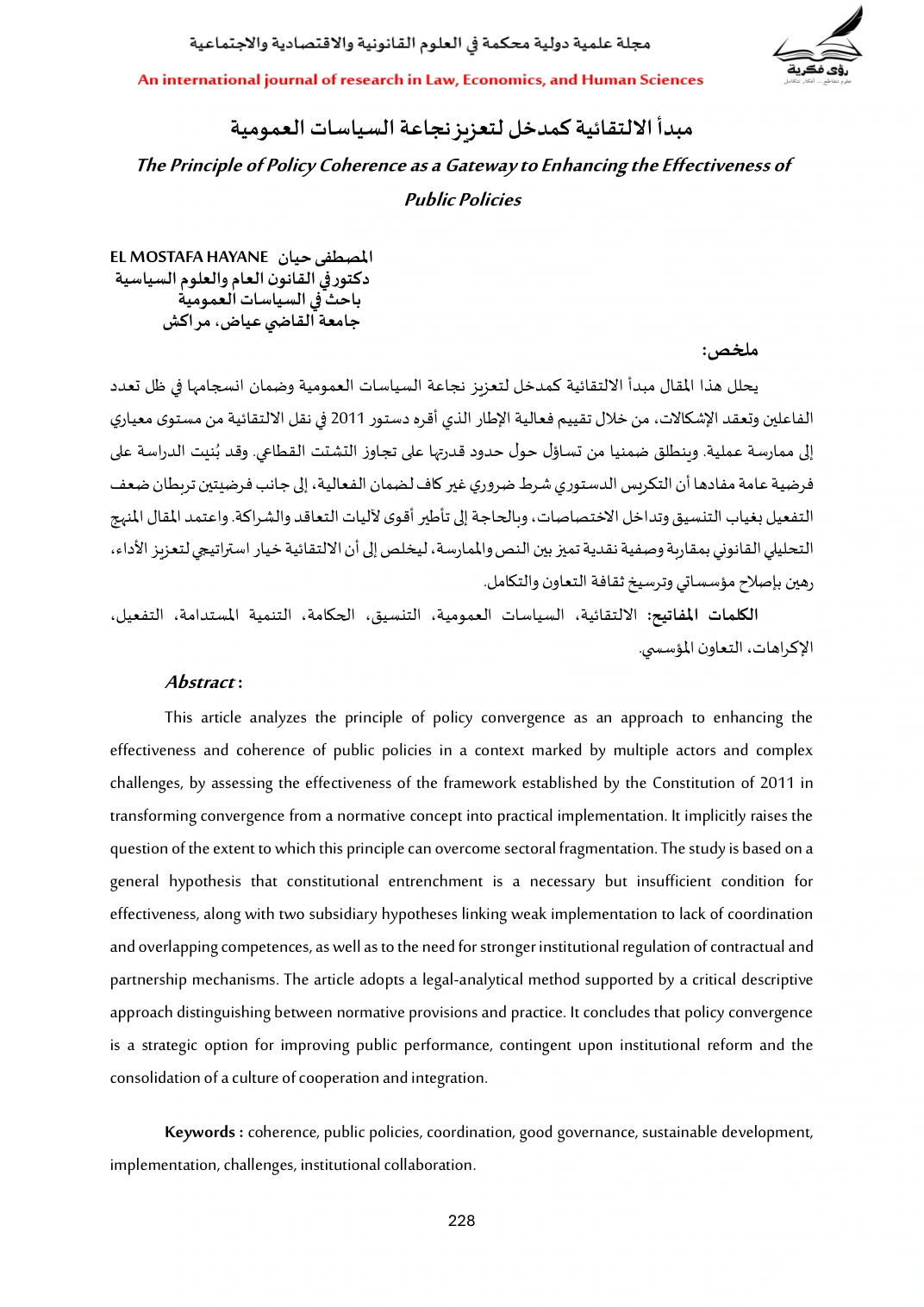
This article analyzes the principle of policy convergence as an approach to enhancing the effectiveness and coherence of public policies in a context marked by multiple actors and complex challenges, by assessing the effectiveness of the framework established by the Constitution of 2011 in transforming convergence from a normative concept into practical implementation. It implicitly raises the question of the extent to which this principle can overcome sectoral fragmentation. The study is based on a general hypothesis that constitutional entrenchment is a necessary but insufficient condition for effectiveness, along with two subsidiary hypotheses linking weak implementation to lack of coordination and overlapping competences, as well as to the need for stronger institutional regulation of contractual and partnership mechanisms. The article adopts a legal-analytical method supported by a critical descriptive approach distinguishing between normative provisions and practice. It concludes that policy convergence is a strategic option for improving public performance, contingent upon institutional reform and the consolidation of a culture of cooperation and integration.
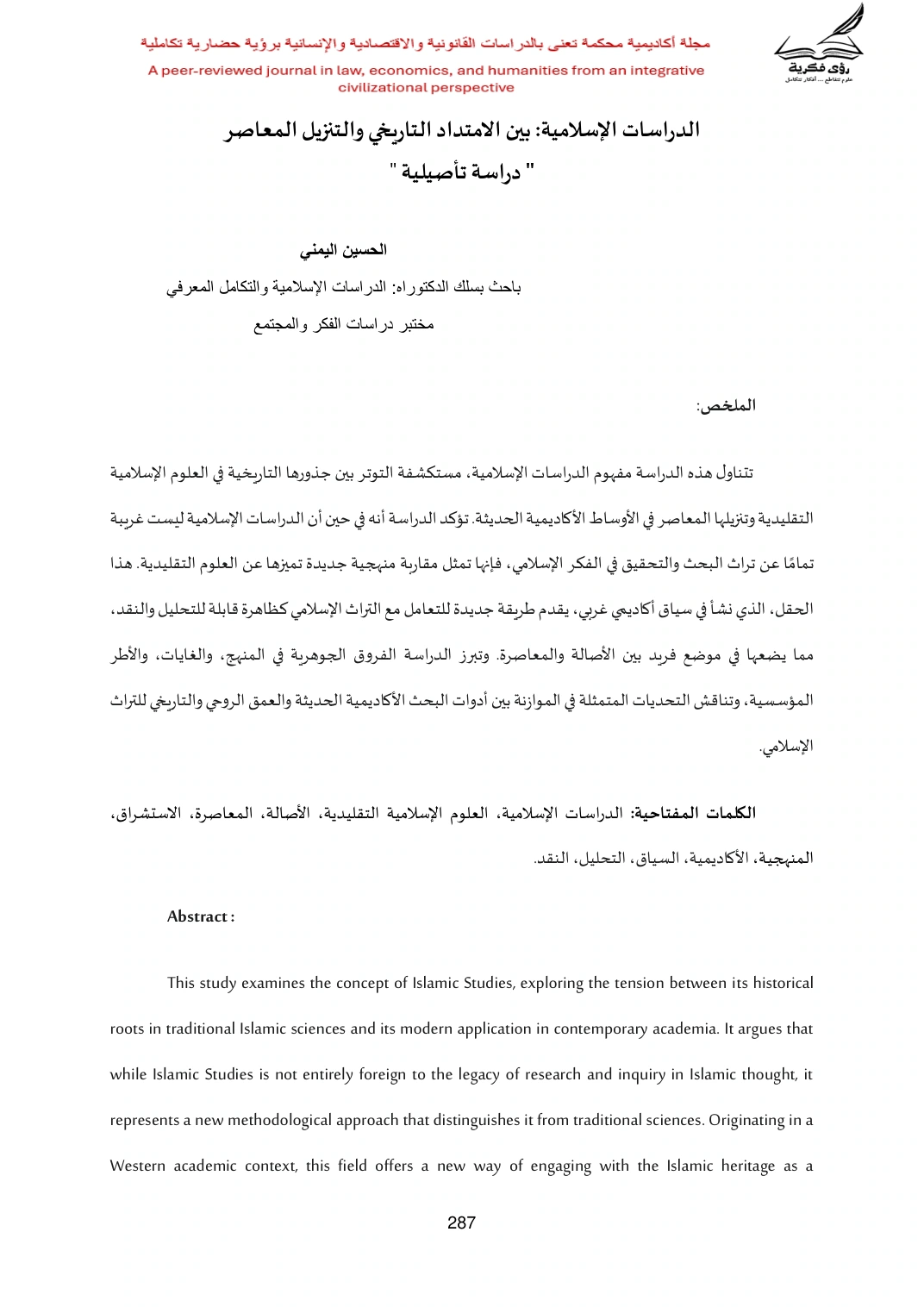
This study examines the concept of Islamic Studies, exploring the tension between its historical roots in traditional Islamic sciences and its modern application in contemporary academia. It argues that while Islamic Studies is not entirely foreign to the legacy of research and inquiry in Islamic thought, it represents a new methodological approach that distinguishes it from traditional sciences. Originating in a Western academic context, this field offers a new way of engaging with the Islamic heritage as a phenomenon open to analysis and critique, positioning it uniquely between authenticity and modernity. The study highlights the key differences in methodology, goals, and institutional frameworks, and discusses the challenges of balancing modern academic tools with the spiritual and historical depth of the Islamic tradition.
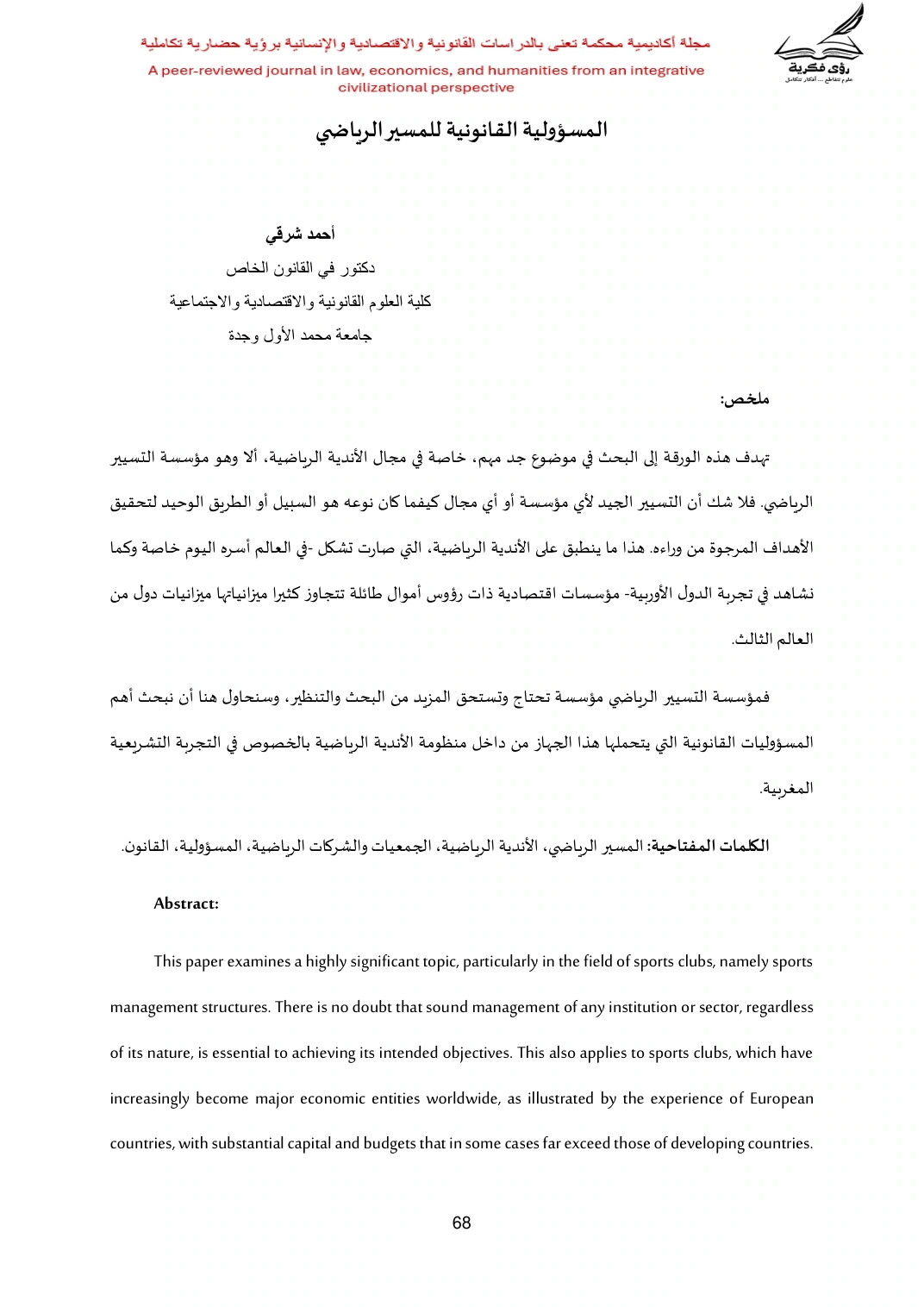
This paper examines a highly significant topic, particularly in the field of sports clubs, namely sports management structures. There is no doubt that sound management of any institution or sector, regardless of its nature, is essential to achieving its intended objectives. This also applies to sports clubs, which have increasingly become major economic entities worldwide, as illustrated by the experience of European countries, with substantial capital and budgets that in some cases far exceed those of developing countries. Sports management is therefore an area that deserves further research and theoretical analysis. This paper seeks to examine the main legal responsibilities assumed by sports management bodies within sports clubs, with particular reference to the Moroccan legislative framework.
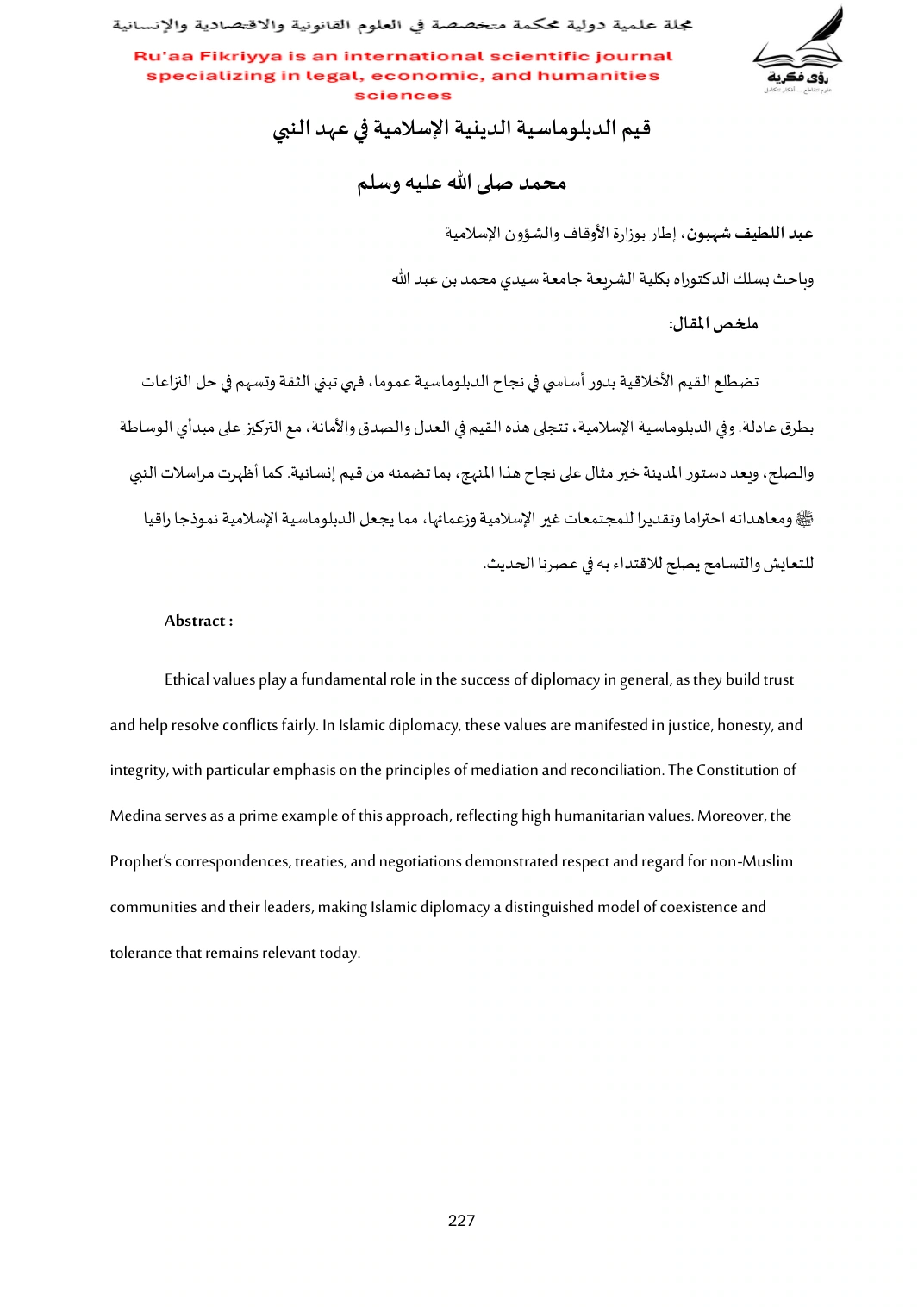
Ethical values play a fundamental role in the success of diplomacy in general, as they build trust and help resolve conflicts fairly. In Islamic diplomacy, these values are manifested in justice, honesty, and integrity, with particular emphasis on the principles of mediation and reconciliation. The Constitution of Medina serves as a prime example of this approach, reflecting high humanitarian values. Moreover, the Prophet’s correspondences, treaties, and negotiations demonstrated respect and regard for non-Muslim communities and their leaders, making Islamic diplomacy a distinguished model of coexistence and tolerance that remains relevant today.
This article examines the foundational origins of Greek political thought through a comparative approach to Plato’s and Aristotle’s conceptions of the state. Plato grounds the state in cooperation and the division of labor, linking justice to the harmony of its constituent parts, while his Laws marks a clear shift toward legislation and institutional reform. Aristotle, by contrast, views the state as a natural political community whose purpose is to achieve self-sufficiency and a virtuous life, making the rule of law, citizenship, and political participation fundamental to its organization. The comparison between the two philosophers reveals a transition in political thought from a normative model of justice and harmony to a realistic analysis of citizenship, law, and institutions, while the state retains its fundamental function of organizing common life on the basis of reason and virtue.
This research analyzes the transformation of the contemporary international legal order under the influence of Financial Technologies (FinTech) and Artificial Intelligence (AI). It focuses on the deterritorialization of international contracts, where agreements are no longer linked to a specific geographical territory but operate within decentralized digital spaces. The study examines how autonomous algorithms increasingly influence contractual relations, challenging the traditional foundations of Private International Law (PIL). The subject is important both theoretically and practically. Theoretically, it questions the validity of party autonomy and human consent in contracts shaped by algorithms and data-driven systems. Practically, it highlights the legal uncertainty surrounding applicable law and jurisdiction in digital transactions, particularly for emerging digital economies such as Morocco. The research addresses the following problem: to what extent do deterritorialization and algorithmic financialization weaken classical connecting factors in PIL, and what new regulatory model can balance state sovereignty with technological autonomy? Using analytical and comparative methodologies, the study compares the American, European/French, and Moroccan legal approaches. The findings demonstrate the decline of traditional territorial criteria and the rise of “algorithmic adherence,” where contractual conditions are predetermined by technological systems. The study recommends adopting a functional connecting approach based on the national effects of digital activities and concludes that PIL must evolve toward systemic digital supervision.
A space from Ruaa Fikriya for ideas and experiences connecting research, teaching and public understanding.
A coherent study begins with a worthwhile question, evidence that serves it, and a method suited to its scope. Turn a promising idea into a feasible project whose decisions can be explained and reviewed.
Turn a broad topic into a clear question and a manageable research task.
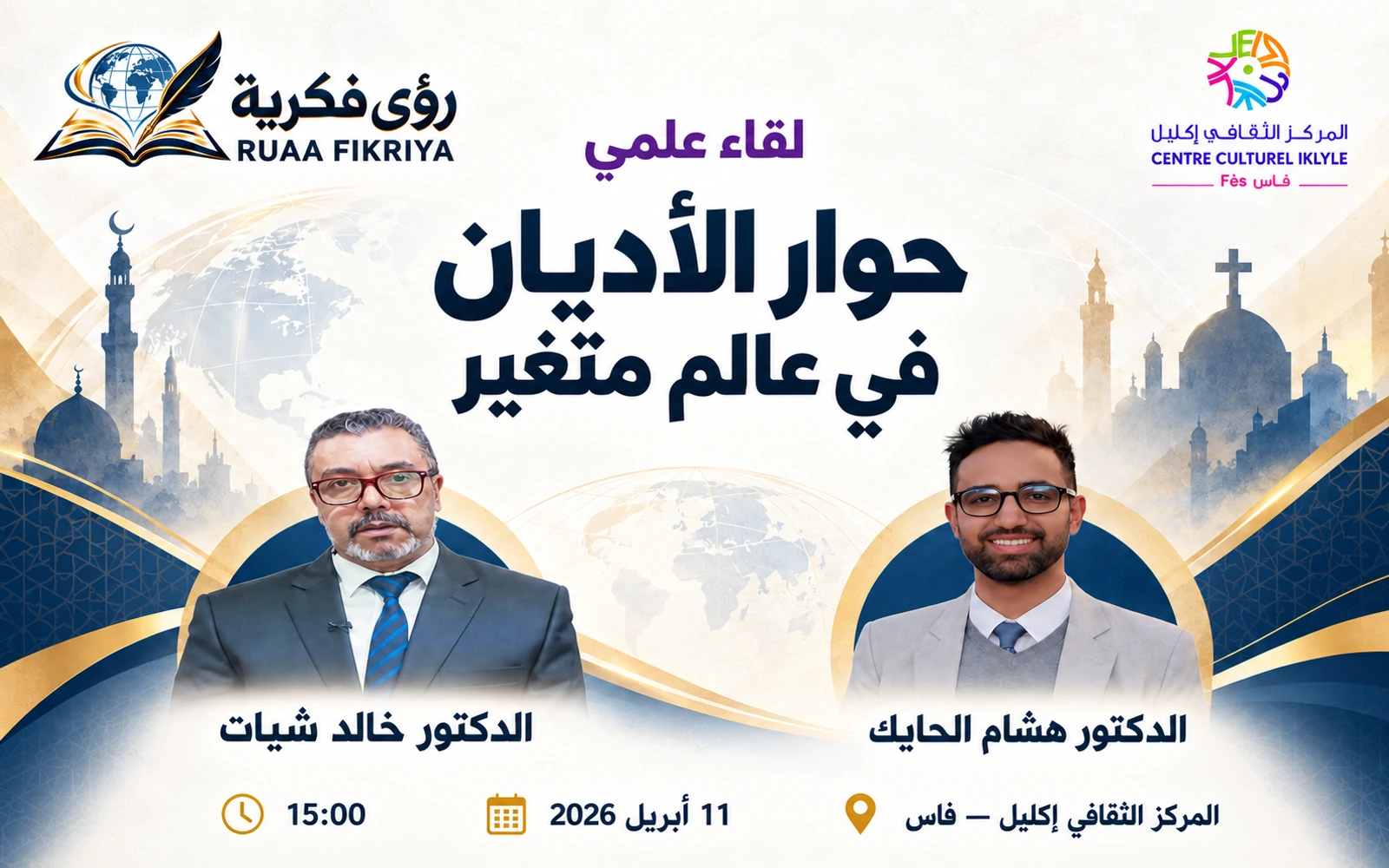
The Iklyle Cultural Center in Fes is organizing a scientific meeting to discuss "Interfaith Dialogue in a Changing World," featuring Dr. Hicham El Hayek and Dr. Khalid Chiat. The event is open to the public.
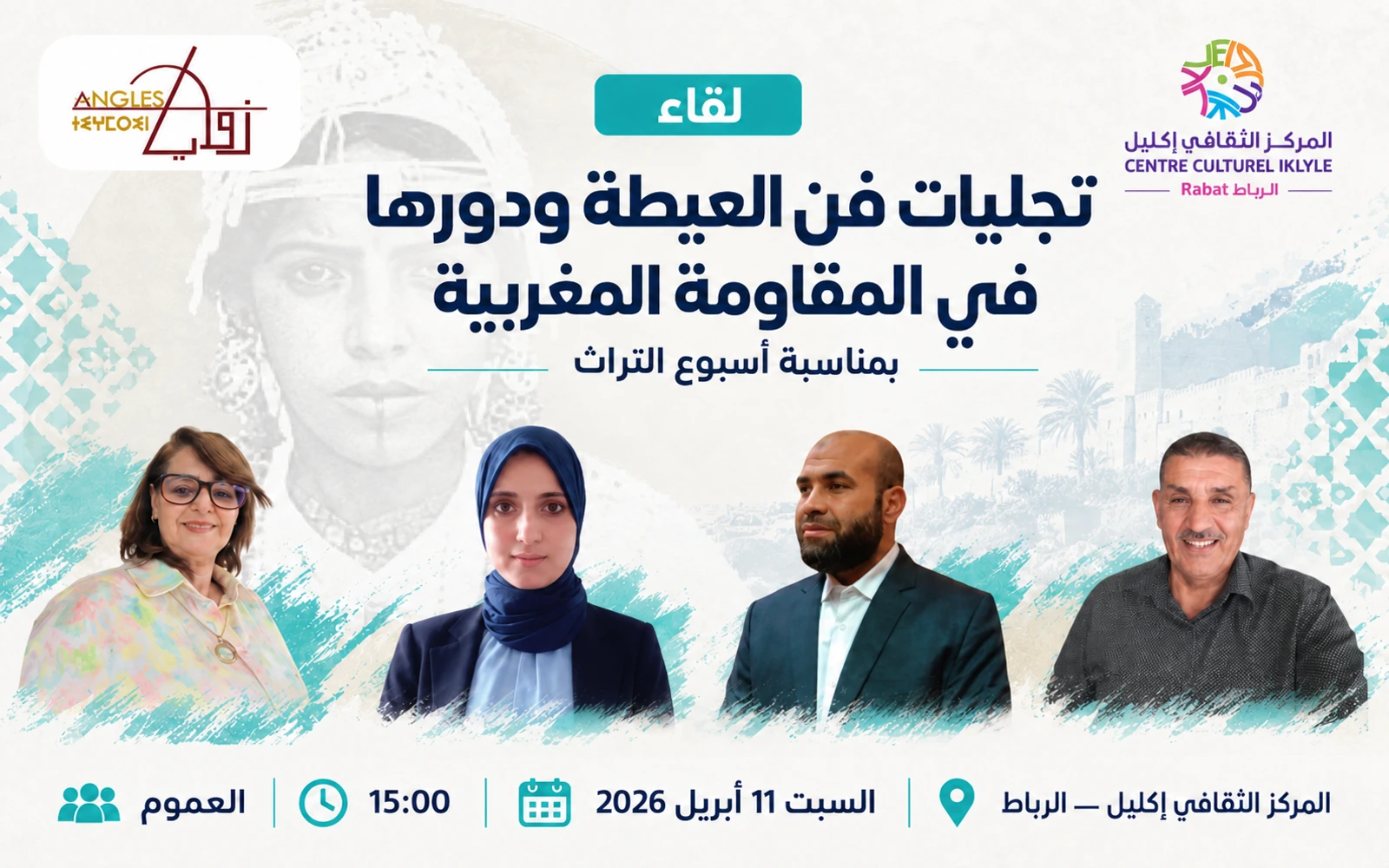
The Iklyle Cultural Center in Rabat is organizing a cultural meeting highlighting the "Manifestations of Aita Art and its Role in the Moroccan Resistance" on the occasion of Heritage Week, with the participation of a group of professors and researchers. The event is open to the public.
Distinct institutions. Shared horizons of knowledge.
Drag with your mouse or finger, or use the left and right arrow keys. Linked logos open the institutions’ websites in a new tab.












A growing community, knowledge travelling further.
Select a country, or zoom into the map.
Statistics temporarily unavailable.